Guides
Practical guides to running effective agile retrospectives and building high-performing teams.
Most teams run retrospectives. Far fewer run ones that change what happens next sprint, and the difference is almost always facilitation, not the format. These guides are written for the person in the room making that happen: the Scrum Master, team lead, or coach. They go deep on the things that decide whether a retro lands (psychological safety, anchoring, follow-through), and they're honest about the failure modes, from the retro that becomes a status meeting to the action list nobody owns. Start with whichever problem is closest to home; each guide stands on its own.
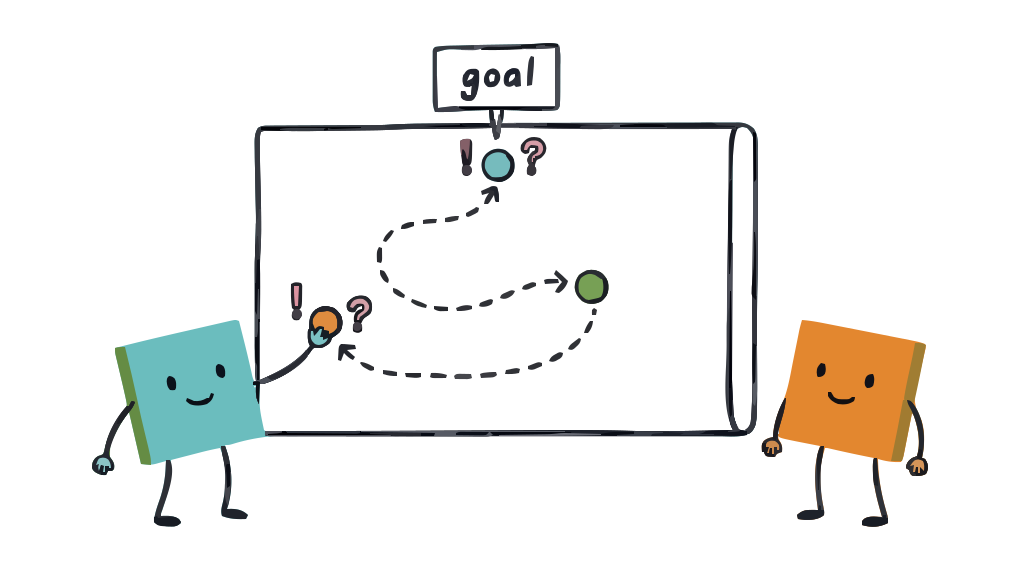
A complete Scrum Master's guide to retrospectives: purpose, the five stages, templates, games, psychological safety and why retros fail.
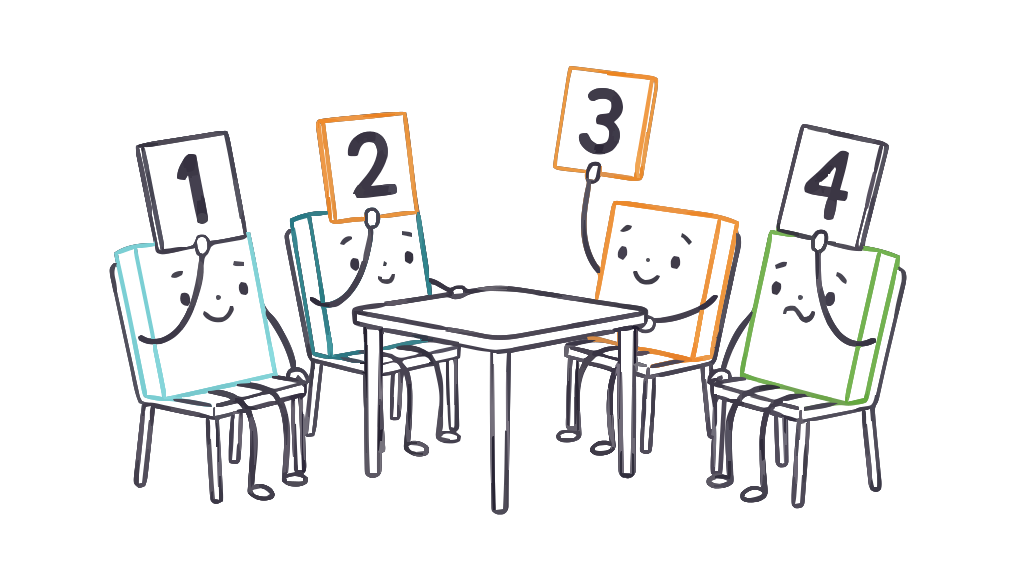
A practical guide to agile estimation: user stories, planning poker, story points, velocity, and the techniques that hold up when a story turns out bigger than it looked.
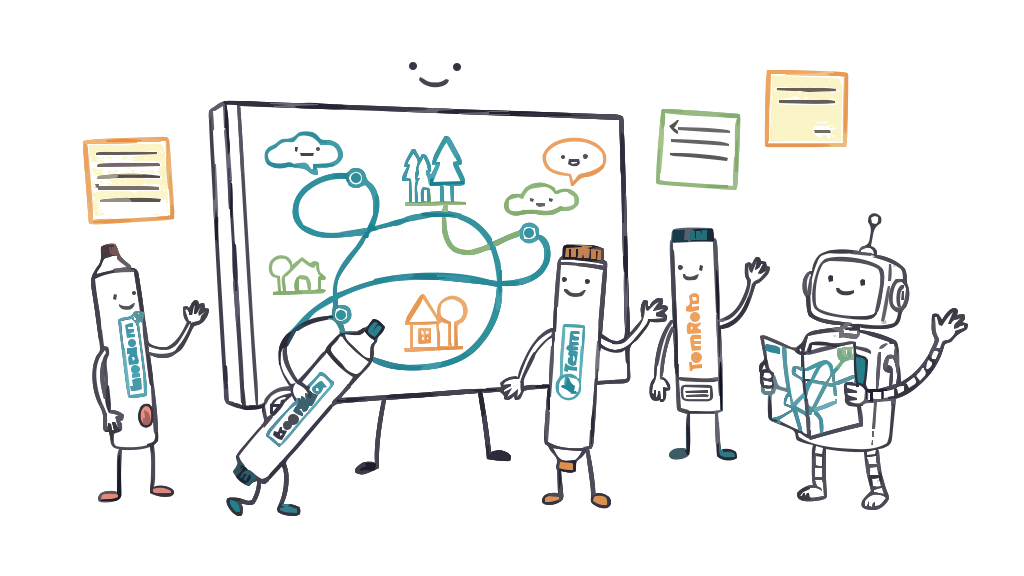
AI agents create friction your retrospectives never see. This guide wires agent evidence into the improvement loop your team already runs.
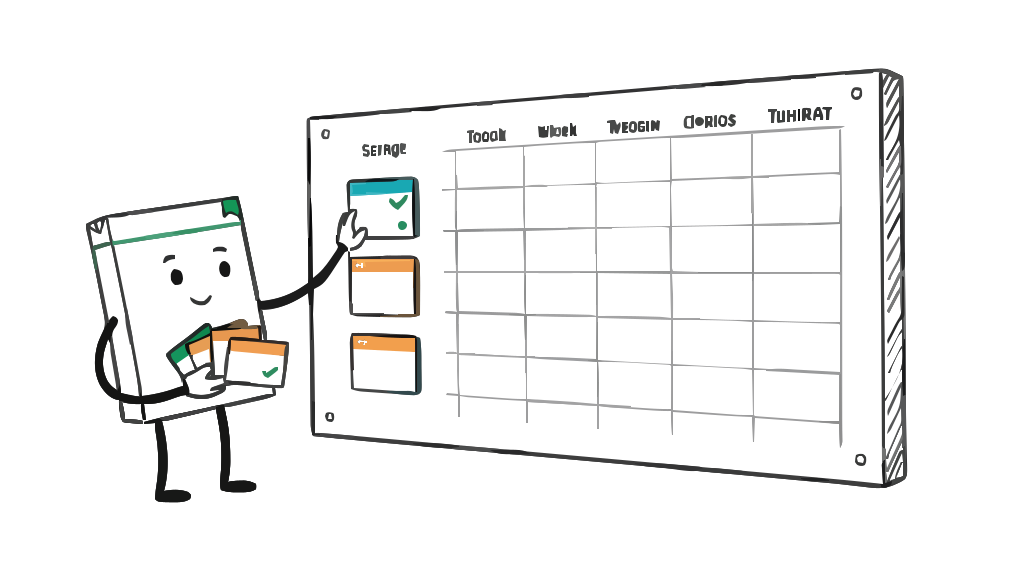
Agile ceremonies are the recurring, timeboxed meetings that give a team its rhythm: planning, the daily scrum, review and retrospective. Four or five, explained.

Real stories run through the estimation conversation end to end (login, payments, migrations, spikes), plus the questions to land before anyone votes a number.

No single number measures a team. Agile metrics work as a set of delivery, flow and perception measures, read together to start conversations, not rank people.
Agile theatre is what a ceremony becomes when it's run for appearance, not function. A field guide to the four ways standups, planning, estimation and retros fail, and how to run them for real.

Ruling-first answers to the arguments agile teams keep having — are standups micromanagement, story points vs #NoEstimates, whether retros are worth it, and if velocity is a useful metric. We steelman both sides, then rule.

A working guide to the daily standup: what it's for, the three questions and better alternatives, a fifteen-minute agenda, and the async and remote variants that keep it useful.

A practical guide to team dynamics for workplace and remote teams: what shapes them, the stages teams move through, and how to make trust and norms stick.
A working guide to sprint planning: the meeting step by step, a timeboxed agenda, a copy-paste template, setting a sprint goal, and planning capacity you can hit.
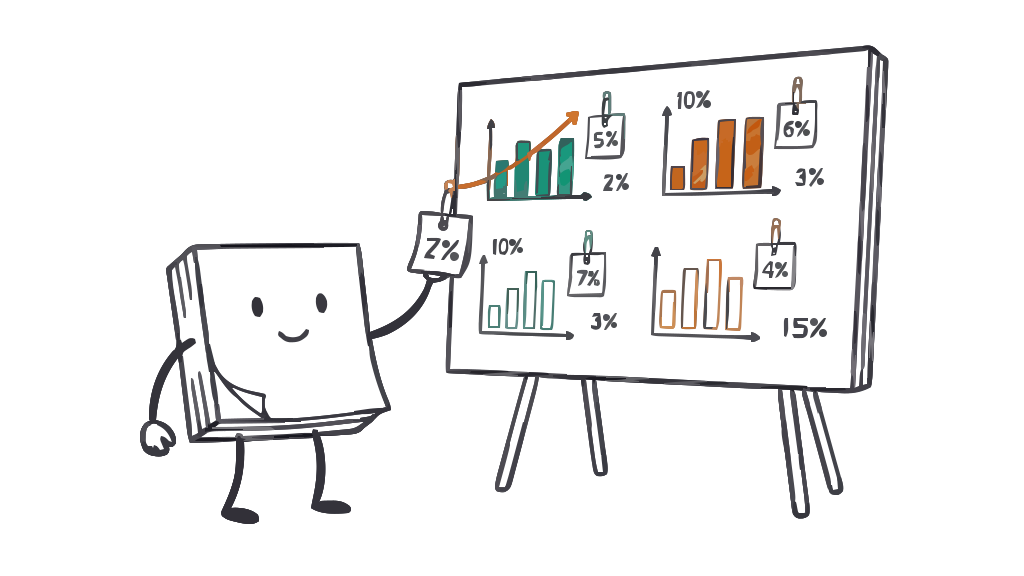
178 agile, scrum, retrospective, team health and meeting statistics. Each one is a single sentence carrying its data year, its sample and a link to the primary source it came from.

Copy-paste feedback examples for colleagues: positive, constructive, peer and upward. Built on the SBI model so your feedback is specific, fair and lands well.
Our first-party data on retrospective action-item completion: the real rate, the two things that change it, and how to make your team's actions stick.
100 one-on-one meeting questions for managers and employees, sorted by check-in, growth, feedback, wellbeing, remote and skip-level, plus a 1:1 agenda template.

What psychological safety at work really means, why it drives performance, and how to measure and build it on your team, with a ready-to-use survey.
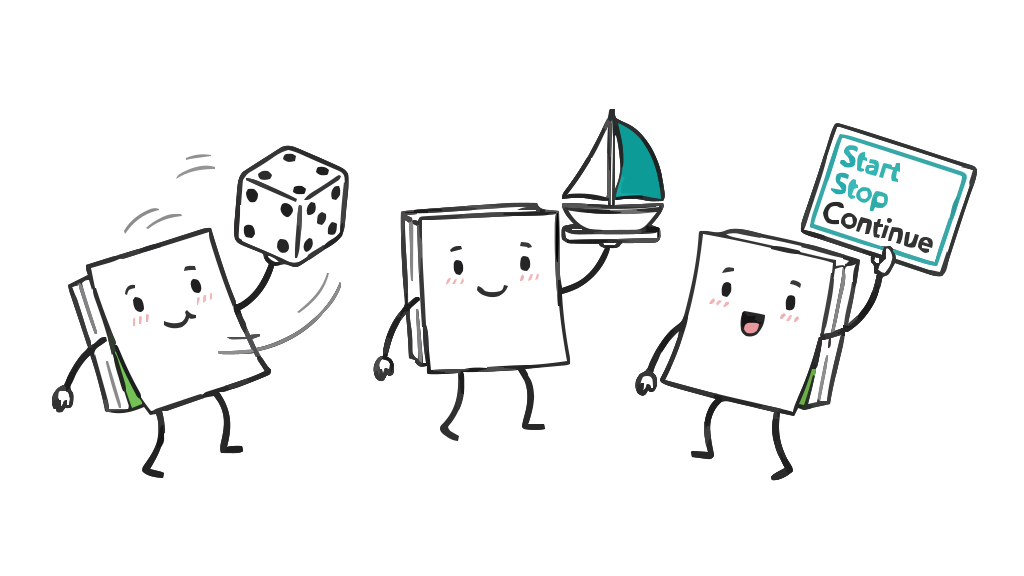
20 retrospective games and formats, each mapped to what it is good for: quick energizers, remote-friendly activities, and how to run every one free in TeamRetro.
What a retrospective is, the five phases of a good one, a ready-made agenda, and how to choose a format. A full guide for agile and non-agile teams.
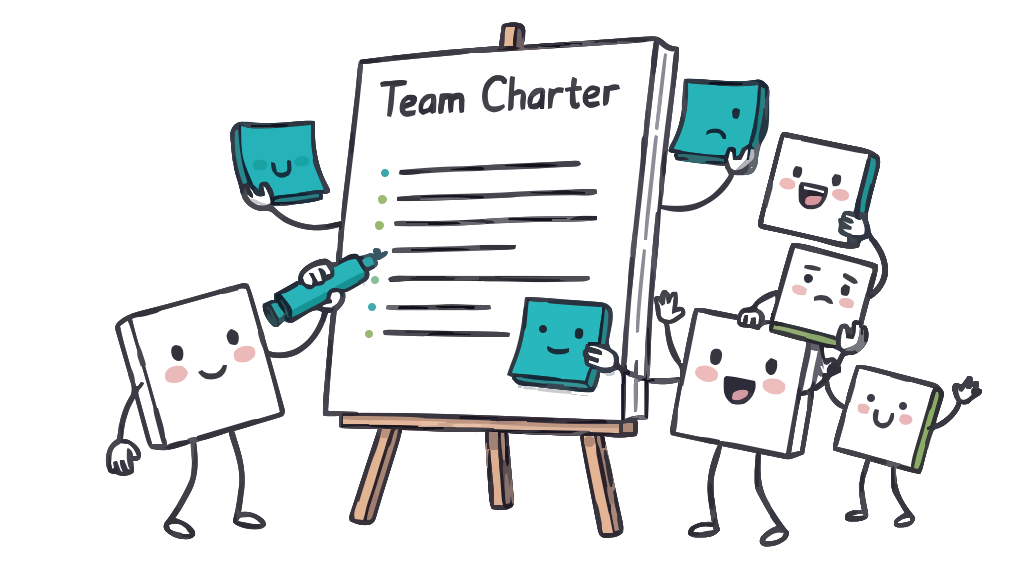
What is a team charter? Learn how to create one with your team (purpose, roles, values and working agreements), with a free template, examples and a live session you can run in TeamRetro.
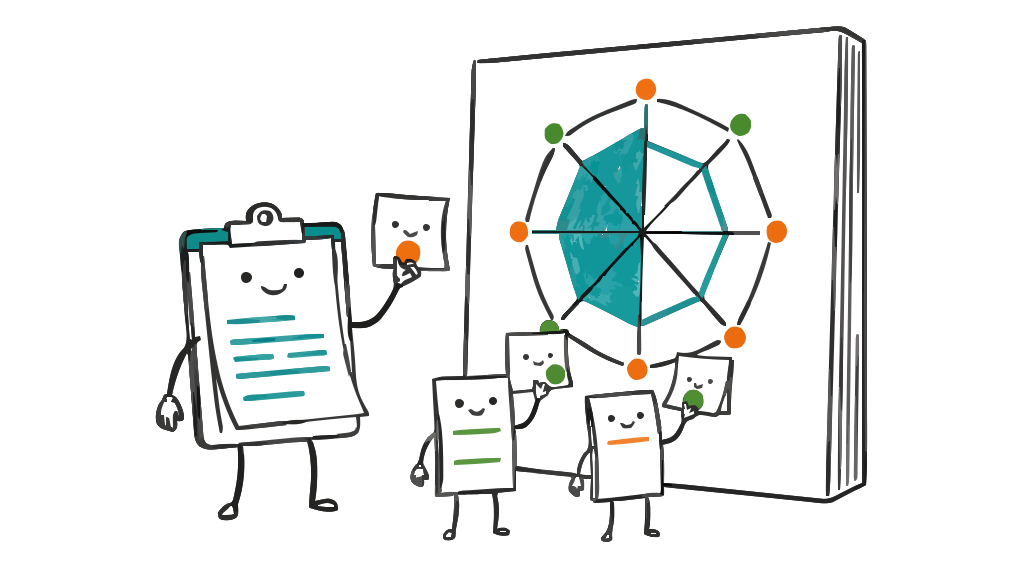
What a team health check is, when to run one, which questions to ask by dimension, and how to turn the scores into change your team can see. With an honest read on the Spotify and Atlassian models.