The complete guide to daily standups
A working guide to the daily standup: what it's for, the three questions and better alternatives, a fifteen-minute agenda, and the async and remote variants that keep it useful.
A daily standup is fifteen minutes that should leave the whole team knowing what’s moving and what’s stuck. This guide covers what the meeting is for, the three classic questions and better ones, a fifteen-minute agenda, copy-paste templates, and the async and remote versions for teams split across time zones. When you’re ready to run it with your team, run your standups in TeamRetro: written updates against the same questions, an optional live walk-through, and a summary posted to Slack or Microsoft Teams.
A standup meeting is a 15-minute daily team check-in where each person shares what they did yesterday, what they'll do today and what's blocking them.
Daily scrum vs standup: the same fifteen-minute meeting. A daily scrum is the Scrum event tied to the sprint goal; a standup is any team's daily sync.
The three daily standup questions (yesterday, today, blockers): what to say for each, the status-theatre failure mode they cause, and stronger alternatives.
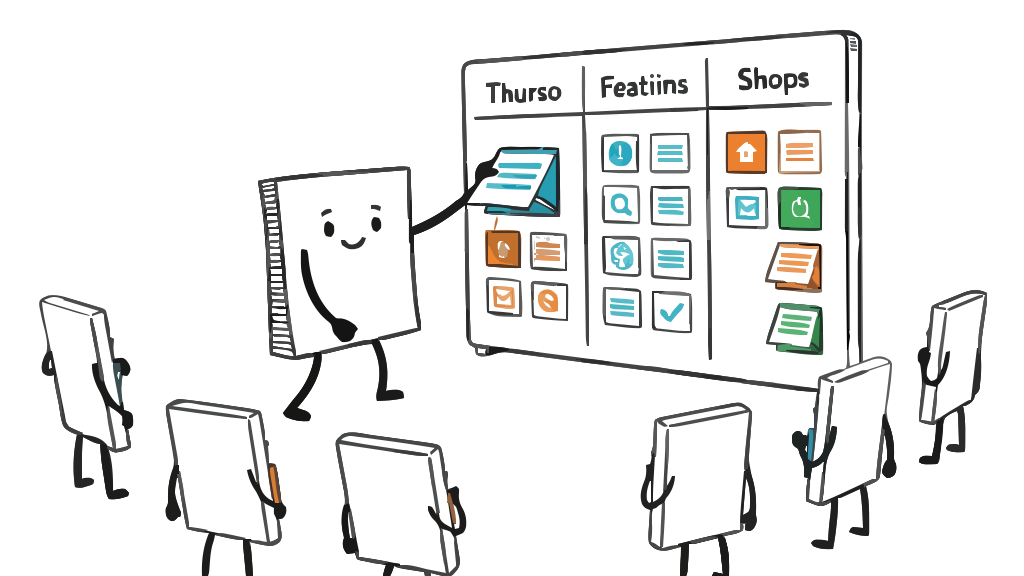
A real fifteen-minute daily standup agenda: the minute-by-minute run of show, walking the board, the parking lot, and the facilitation that keeps it on time.
Copy-paste daily standup templates: the three-question format, a blockers-first variant, a walk-the-board script, and async prompts ready for Slack and Teams.
How to run an effective daily standup: the facilitation moves and rules that keep it to fifteen minutes, handle the rambler and the dominator, and surface real blockers.
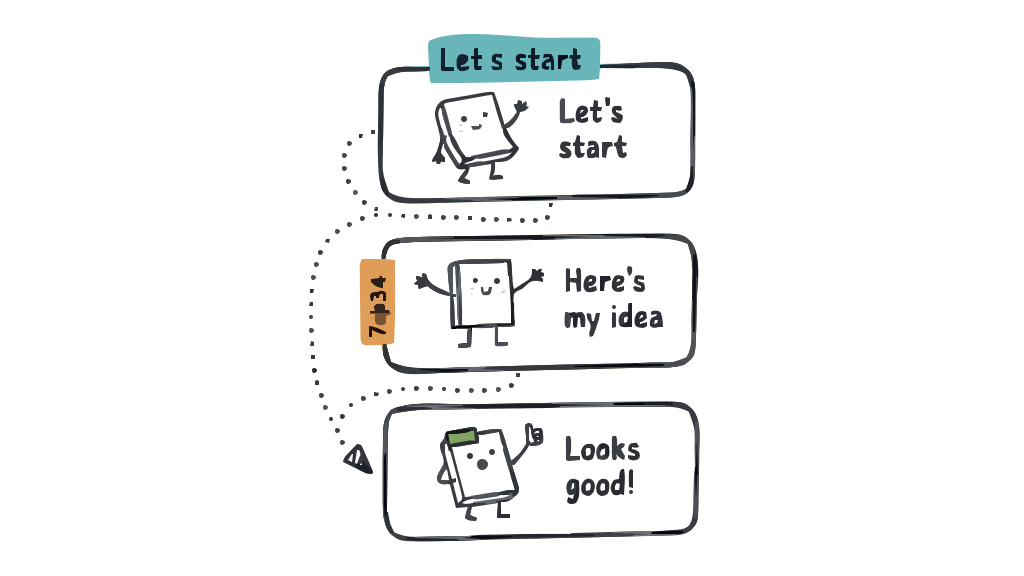
When an async standup beats a live one, how to run it in a thread, handling timezones, and the tradeoffs remote and distributed teams have to manage on purpose.
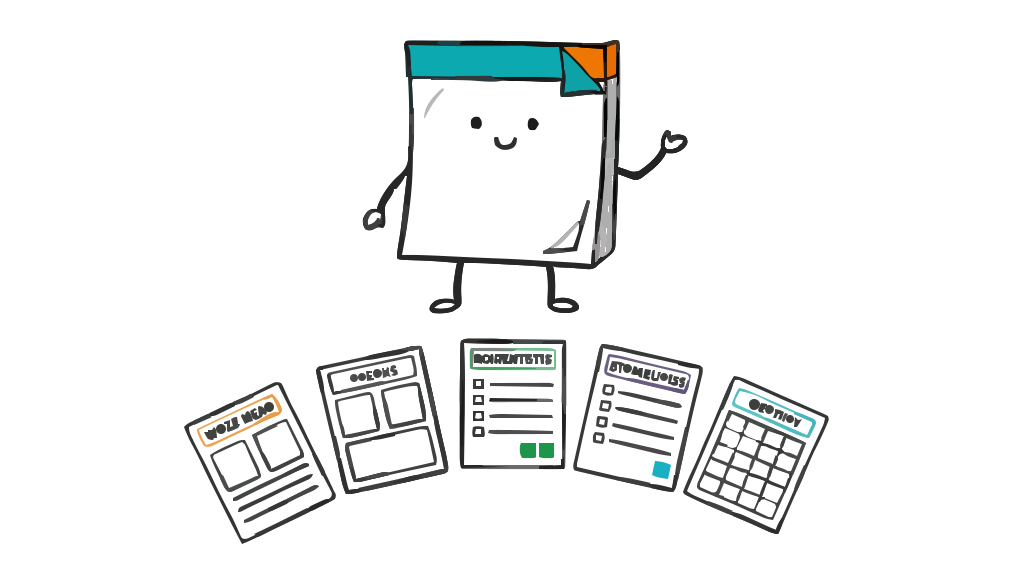
Fourteen daily standup formats, from walk the board and round-robin to token pass, silent start and blockers-only, with what each one fixes and when to use it.
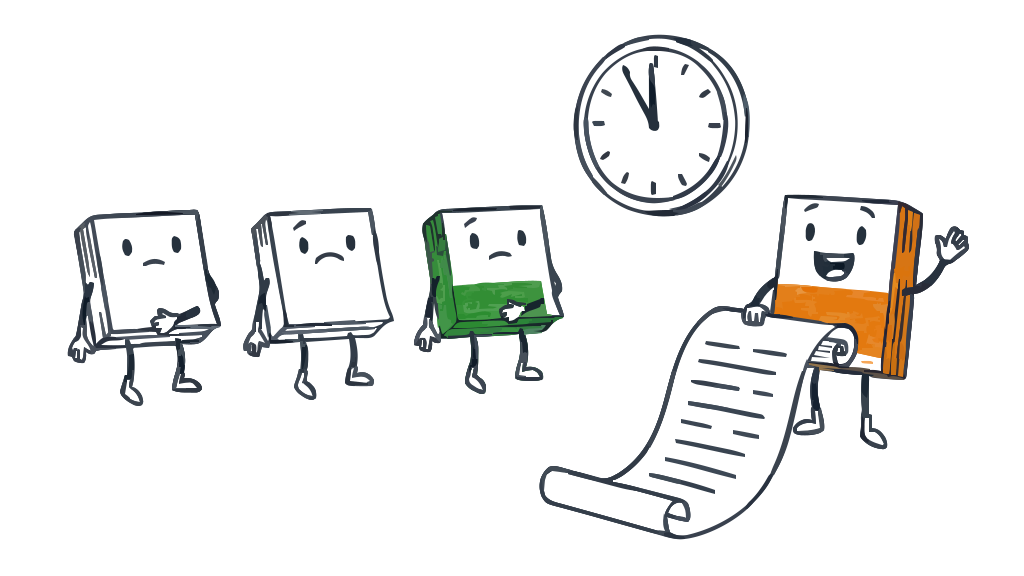
The daily standup anti-patterns that quietly kill the meeting: status theatre, the manager report, the forty-minute overrun, blockers nobody follows up, and how to fix each.
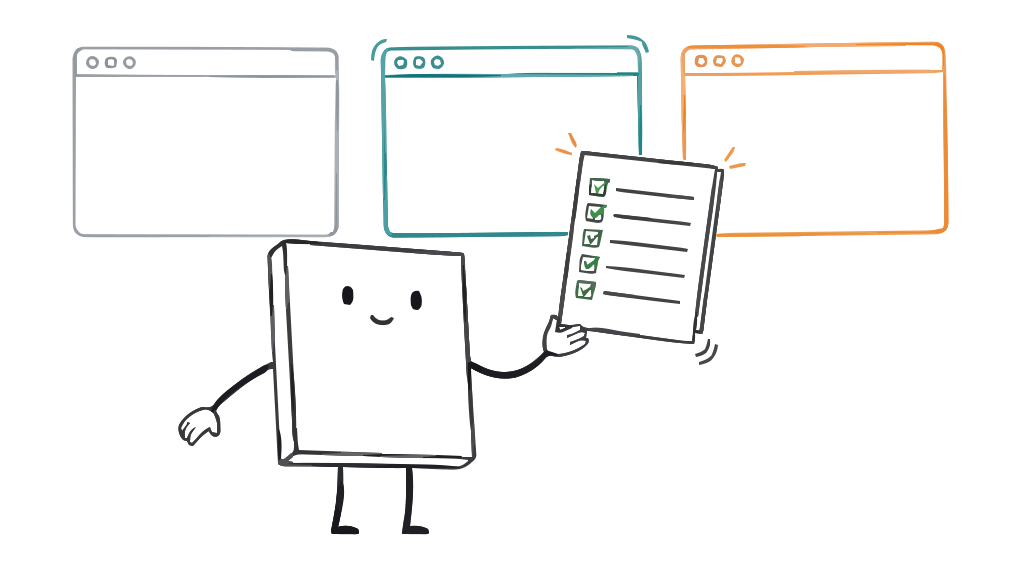
Choosing standup software: the four kinds of standup tools (chat bots, project boards, async tools, retro-connected), what to look for, and when you need none.