Sprint planning: the complete guide
A working guide to sprint planning: the meeting step by step, a timeboxed agenda, a copy-paste template, setting a sprint goal, and planning capacity you can hit.
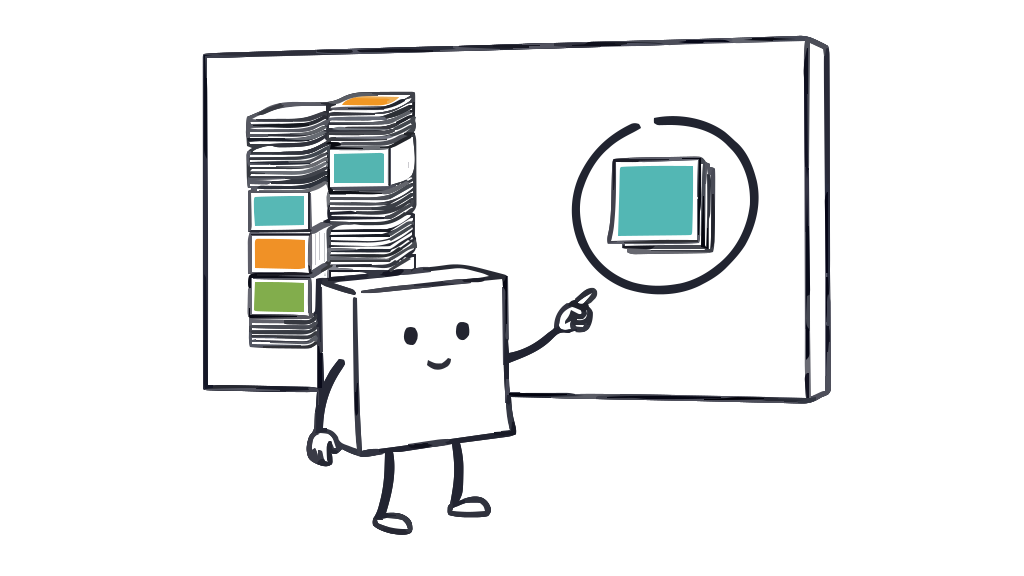
Sprint planning is the meeting that opens a sprint: the team agrees a sprint goal and decides how much of the backlog it can realistically finish. Here is the run of show.
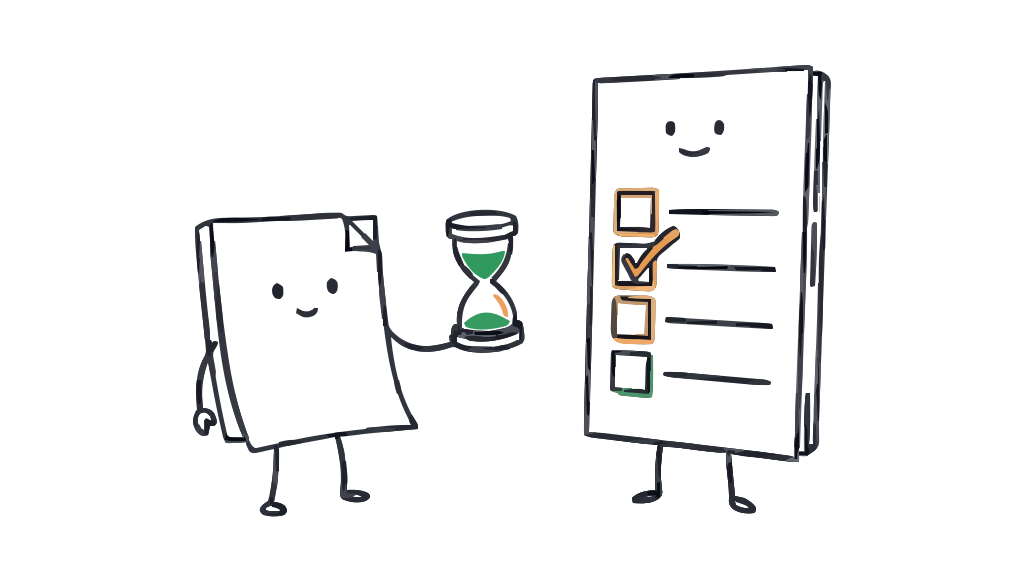
A sprint planning meeting agenda with minutes for each step: context, capacity, sprint goal, select, plan, commit. About two hours per sprint week.

A copy-paste sprint planning template covering the sprint goal, capacity, the selected backlog, and the commitment check, plus how to fill it in and what each field is really for.

A sprint goal is one sentence that says why the sprint matters. Here is what makes a strong goal, why it comes before scope, and side-by-side examples of weak and strong goals.

Velocity and capacity are not the same number. One is what you historically finished; the other is the time you actually have this sprint. Plan with both, and the humbler one wins.

An honest look at sprint planning tools: what a tool should actually do, where Jira fits, where a facilitation tool fits, and how to avoid paying for features you will never use.

Sprint planning and backlog refinement are different meetings with different jobs. Refinement gets the backlog ready; planning decides what to commit. Blur them and both break.