Agile ceremonies: the complete guide
Agile ceremonies are the recurring, timeboxed meetings that give a team its rhythm: planning, the daily scrum, review and retrospective. Four or five, explained.
Agile ceremonies are the recurring, timeboxed meetings that give a team its rhythm: sprint planning opens the sprint, the daily scrum keeps it on track, and the sprint review and retrospective close it. This guide takes them one at a time (what each is for, who belongs in the room, and how long it should run) with the deeper how-to guides a click down from each.
Run for show instead of function, the same four meetings curdle into agile theatre: the four ways a ceremony can look right and change nothing. Learn what each ceremony is for here; see how each one fails there.
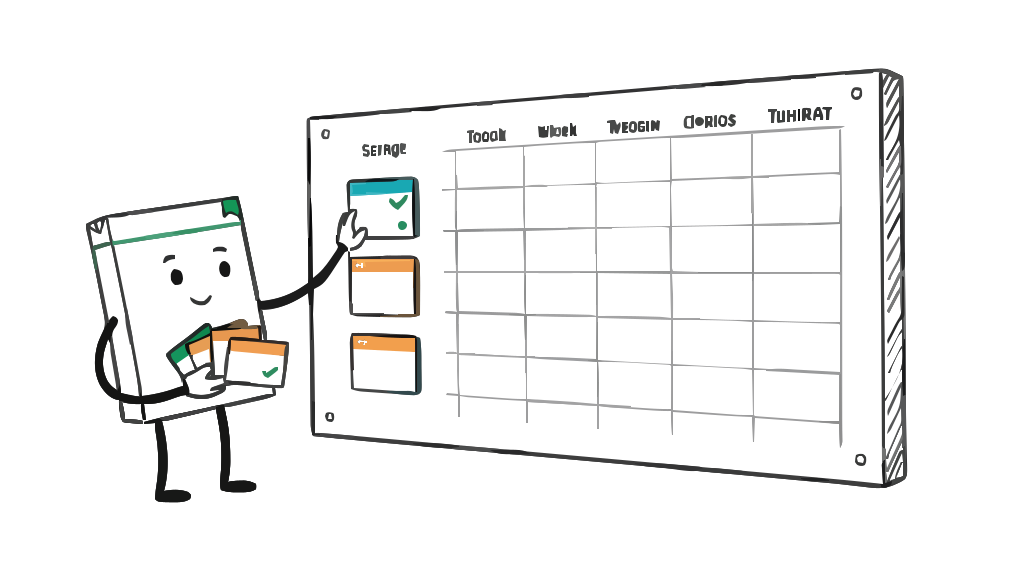
Sprint planning is the ceremony that opens the sprint: the team agrees a sprint goal and turns backlog items into a plan it believes it can finish.
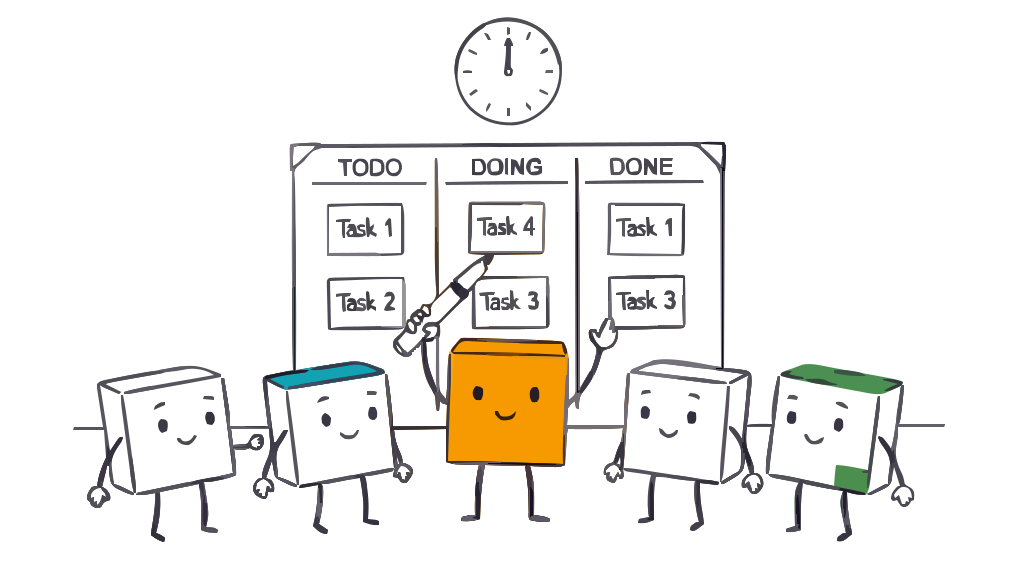
The daily scrum is a 15-minute check-in where developers re-plan the next day against the sprint goal. A coordination meeting the team runs for itself, not a status report.

The sprint review is the ceremony where the team shows working product to stakeholders and gathers the feedback that reshapes the backlog. It's a working session, not a demo.

The sprint retrospective is the ceremony that closes the sprint: the team inspects how it worked and commits to improvements. Here's where it fits, then the deep guide.

Backlog refinement, still called grooming, is the ongoing work of getting items ready before the sprint they're built in: clarifying, sizing, splitting, and ordering.
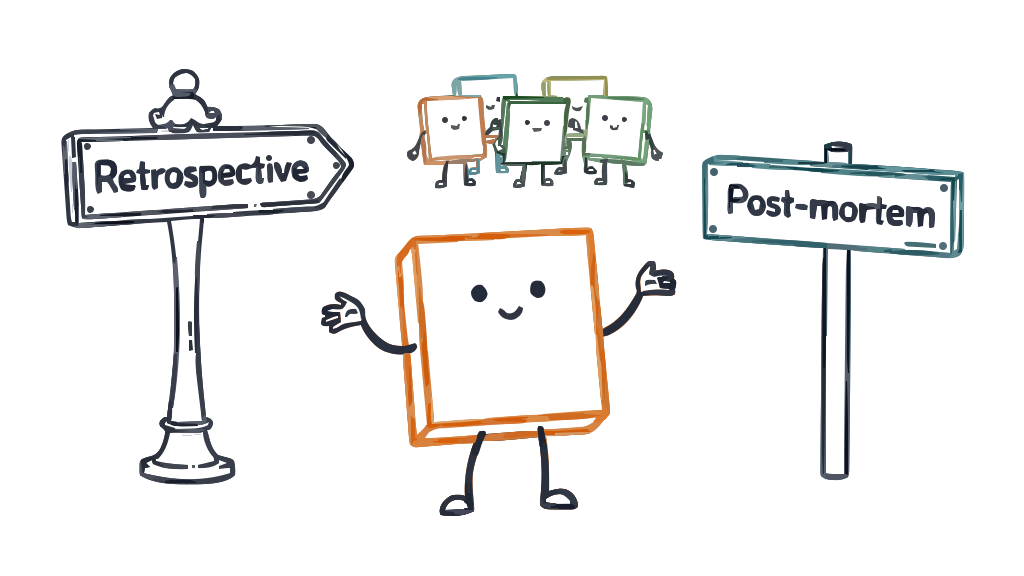
"Events" and "ceremonies" are the same meetings under two names. Events is the Scrum Guide term; ceremonies is colloquial. And there are four, or five. Here's why.