Team dynamics: how great teams actually work
A practical guide to team dynamics for workplace and remote teams: what shapes them, the stages teams move through, and how to make trust and norms stick.
Team dynamics are the forces that decide whether a group of capable people work well together. This guide is the practical version for workplace and remote teams: what shapes those forces, the stages a team moves through, how to warm up a cold or distributed group, how to read the team against the five dysfunctions, and how to lock in the trust, working agreements, and follow-through that make good behavior stick. Start with what team dynamics are, or jump to the chapter that matches the problem in front of you.
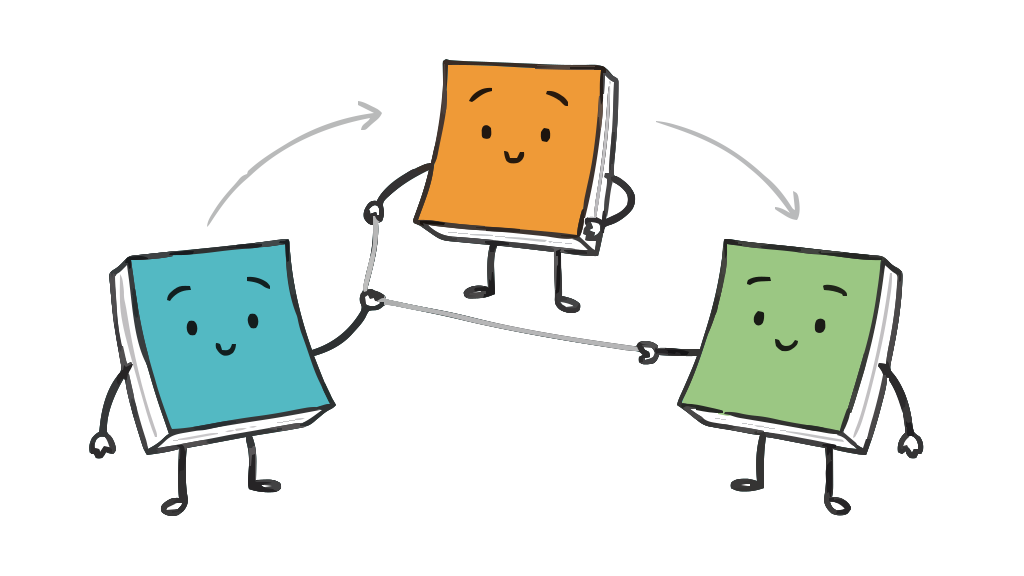
Team dynamics are the forces that decide whether capable people work well together. Learn what shapes team dynamics, what breaks them, and how to improve them.
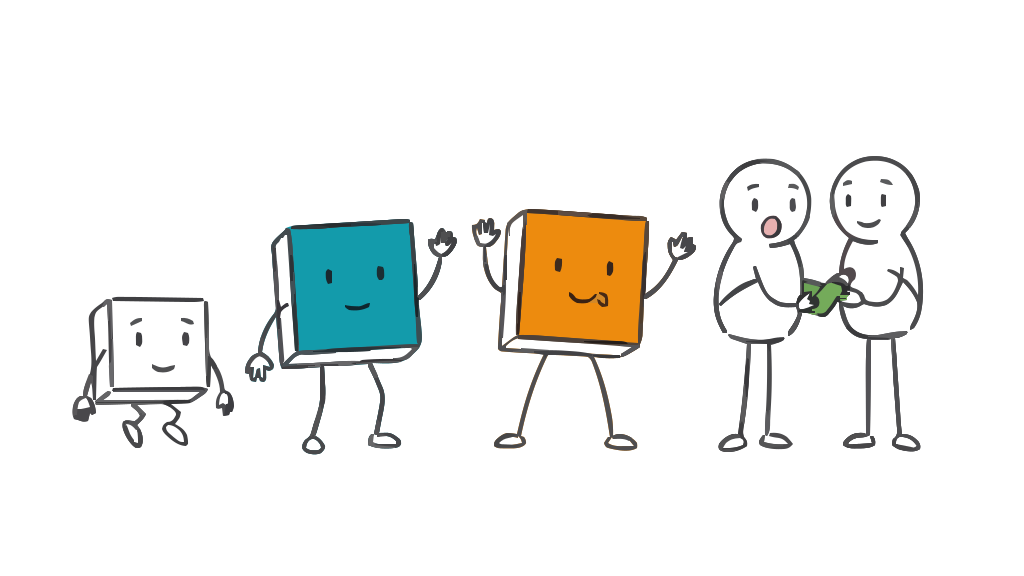
The stages of team development, explained honestly: what forming, storming, norming, and performing feel like, plus the exact thing to run at each stage.
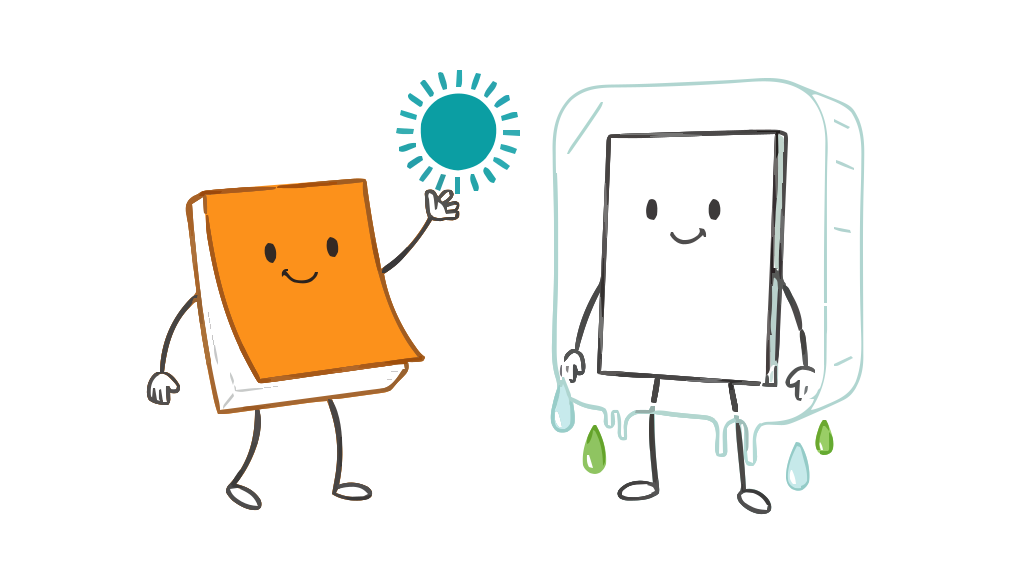
Defrosting a team means warming up a cold, new, or distributed group so it can perform. The mechanism: icebreakers thaw, check-ins sustain, charters refreeze.
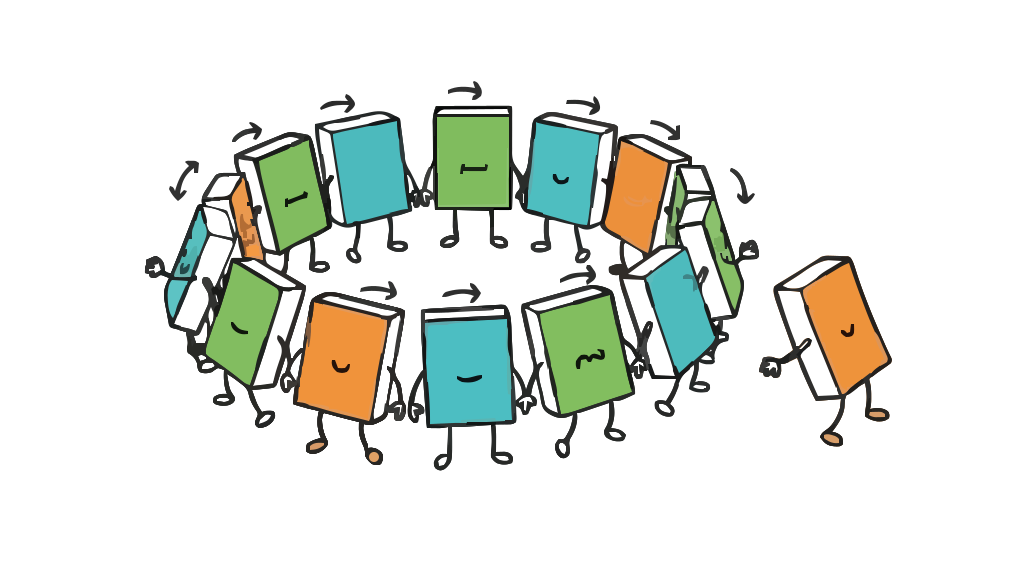
Group dynamics is the study of the forces inside any group: roles, norms, cohesion, and conformity. How they shape teams at work, and how to spot groupthink.
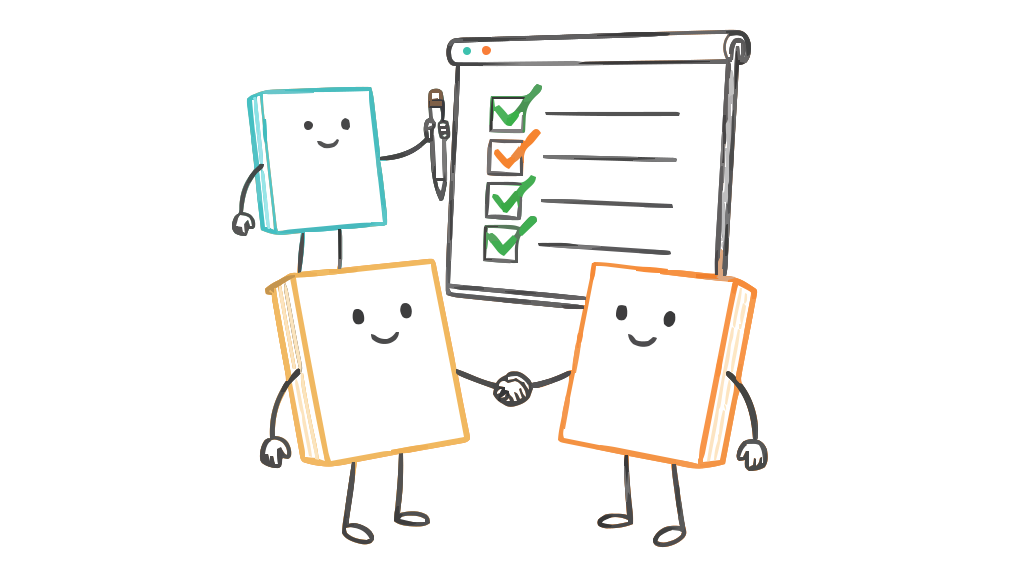
What team working agreements are, how to facilitate creating one, examples to copy, and how to keep them alive.
How to build trust on a team through specific behaviors: set the stage, invite participation, respond well when people speak up, and measure how safe they feel.
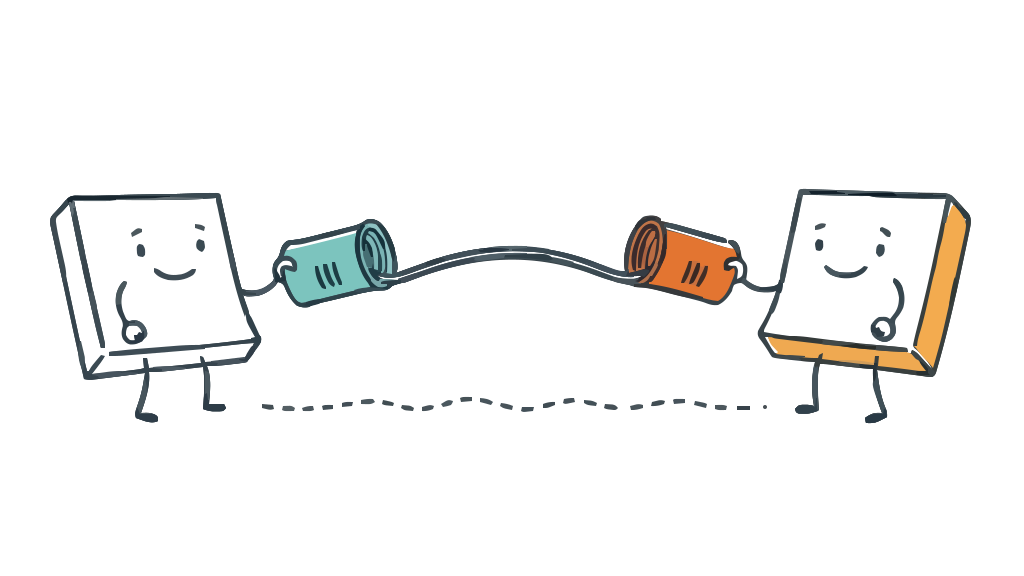
Remote team dynamics are different, not worse. See what the research shows about distributed teams, and the concrete rituals that make virtual teams work.
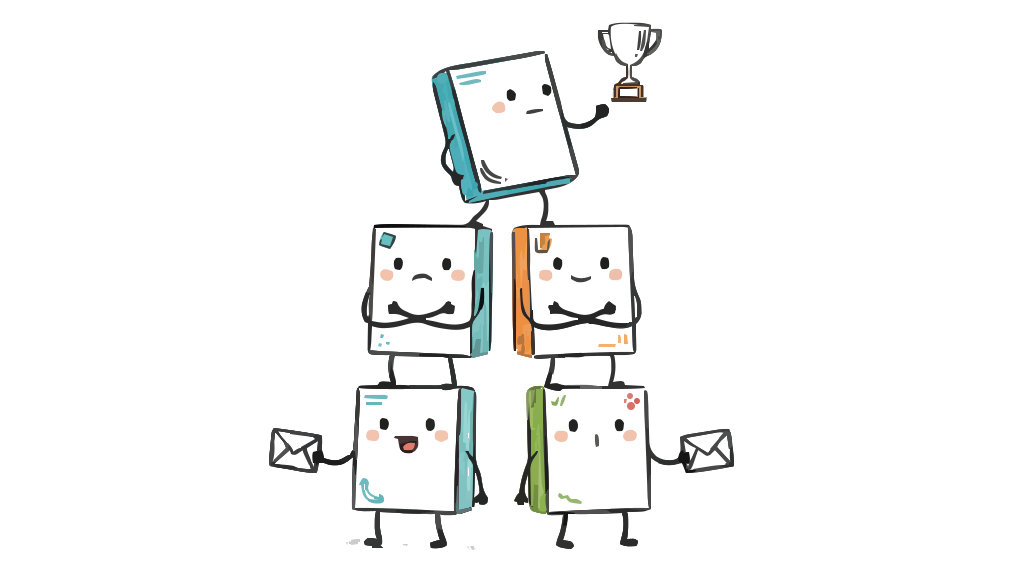
The five dysfunctions of a team pyramid explained: what each layer means, how to spot it, what to run, and where the model holds up. Plus a free check.