Guida alla retrospettiva per lo Scrum Master
Una guida completa per gli Scrum Master sulle retrospettive: scopo, le cinque fasi, modelli, giochi, sicurezza psicologica e i motivi per cui le retrospettive falliscono.
Questa è la versione estesa. Se siete responsabili della conduzione delle retrospettive per un team Scrum e desiderate un quadro completo dell’argomento (lo scopo dell’evento, come condurlo e cosa fare quando non funziona più), i capitoli riportati di seguito trattano l’argomento in modo esaustivo. Leggeteli in ordine o passate direttamente a quello che vi interessa.
Iniziate con la guida sintetica su come condurre retrospettive efficaci se desiderate una versione pratica in una sola pagina: cos’è una retrospettiva, le cinque fasi, un ordine del giorno di 60 minuti che potete copiare e come scegliere un formato. Questa guida è ciò che segue a quella.
A chi è rivolto. A uno Scrum Master, a un team lead o a un delivery manager che organizza questi incontri con regolarità. Si presume che sappiate cosa sia uno sprint. Non si presume invece che abbiate già maturato una significativa esperienza come facilitatori.
Come sono organizzati i 16 capitoli. Quattro gruppi, più o meno nell’ordine di lettura:
- Che cos’è una retrospettiva e perché merita di dedicarle un’ora: la retrospettiva di sprint in sé, perché le retrospettive sono importanti e la “Direttiva Primaria” che ne definisce lo spirito.
- Prima sessione: online contro in presenza, perché le retrospettive a distanza hanno maggiore rilevanza, come condurre una buona sessione online e una lista di controllo da seguire prima, durante e dopo.
- Formati, giochi e sicurezza: la scelta di un modello, giochi agili per il team building e come creare un ambiente in cui le persone possano esprimersi con sincerità.
- Il contesto Scrum e cosa può andare storto: le quattro cerimonie Scrum, la Sprint Review rispetto alla retrospettiva di sprint, i valori, i ruoli e gli artefatti Scrum, i grafici burndown e, infine, perché le retrospettive falliscono.
Come procedere. Nessuno ha bisogno di tutto in una volta sola. Se questa settimana sta conducendo la sua prima retrospettiva di sprint, legga il capitolo dedicato alla retrospettiva di sprint, la e la checklist; poi torni a occuparti dei formati una volta che avrà acquisito l’abitudine. Se le sue retrospettive si svolgono ma in seguito non cambia nulla, passi direttamente alla sezione sul perché le retrospettive falliscono. Se avete bisogno di dati piuttosto che di metodi, la nostra raccolta di statistiche su agile e retrospettive fornisce ogni dato con il relativo studio, l’anno di riferimento e un link alla fonte primaria. Per il resto della biblioteca, consultate tutte le guide TeamRetro.
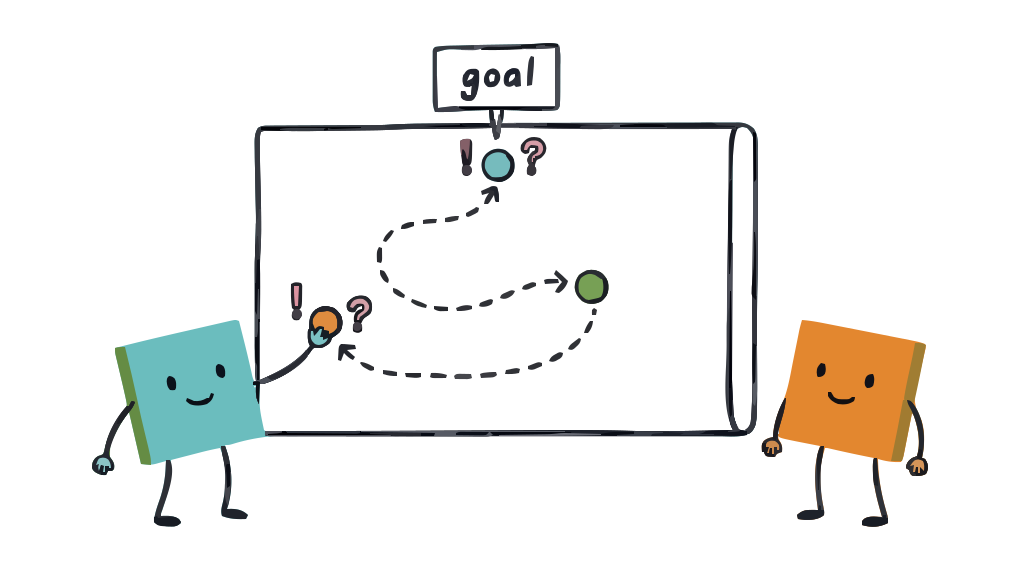
Una retrospettiva di sprint è la riunione Scrum in cui un team riflette sull’ultimo sprint e concorda i miglioramenti da apportare. Scoprite le 5 fasi, chi vi partecipa e come garantire che le azioni da intraprendere vengano effettivamente messe in pratica.

Le retrospettive sono il motore del miglioramento continuo: scoprite il loro scopo, i costi derivanti dal non tenerle e i benefici che una retrospettiva ben gestita apporta al vostro team agile.

La “Direttiva Primaria Retrospettiva” è un’affermazione che parte dal presupposto che tutti abbiano fatto del proprio meglio. Scoprite cosa recita, perché è importante e in che modo contribuisce a creare un clima privo di accuse.

Le retrospettive online e quelle in presenza condividono gli stessi obiettivi agili, ma differiscono dal punto di vista logistico. Confrontate i vantaggi, gli svantaggi e gli aspetti comuni a entrambe.

Quando il vostro team è distribuito, la retrospettiva a distanza diventa una cerimonia agile ancora più fondamentale. Scoprite come contribuisca a ricostruire il legame, il senso di responsabilità e la fiducia.

Organizzate un’ottima retrospettiva online con i team da remoto: dedicate del tempo alla creazione di legami, stabilite regole di comportamento chiare, ricorrete al feedback in tempo reale, verificate il funzionamento delle tecnologie e attenetevi all’essenziale.

Utilizzi questa pratica lista di controllo da seguire prima, durante e dopo la retrospettiva agile per assicurarsi che la sua retrospettiva agile si svolga senza intoppi e si concluda con azioni da intraprendere chiare e tracciabili.

Scoprite 15 modelli gratuiti per le retrospettive dedicati ai principianti, alle persone, ai processi, ai prodotti, agli sprint non riusciti e al divertimento, oltre a come scegliere quello più adatto al vostro team.

I giochi agili consentono di creare team altamente performanti. Scoprite di cosa si tratta, perché funzionano, quali ricerche ne sono alla base e un elenco suddiviso per categorie dei giochi da provare, corredato di esempi.

Aiutate il vostro team a fornire un feedback sincero. Imparate a riconoscere i segnali che indicano una mancanza di sicurezza psicologica all’interno del team e le misure che uno Scrum Master può adottare per rafforzarla durante le retrospettive.

Lo Scrum prevede quattro cerimonie (ora denominate “eventi”): la pianificazione dello sprint, il Daily Scrum, la revisione dello sprint e la retrospettiva di sprint. Scoprite lo scopo, la durata prestabilita e i partecipanti di ciascuna di esse.
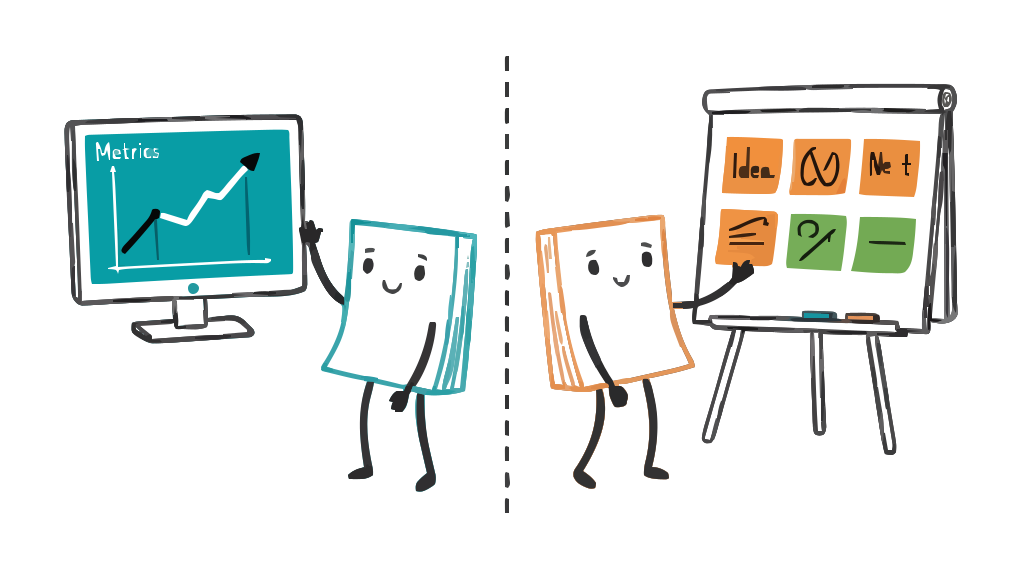
La Sprint Review consente di esaminare il prodotto insieme alle parti interessate; la retrospettiva di sprint mira a migliorare il modo di lavorare del team. Scoprite la differenza tra le due, chi vi partecipa e perché sono entrambe necessarie.

Lo Scrum si basa su cinque valori: Impegno, Concentrazione, Apertura, Rispetto e Coraggio. Scoprite cosa significa ciascuno di essi nella pratica e in che modo una retrospettiva li mette in atto.

Lo Scrum prevede tre ruoli: il Product Owner, lo Scrum Master e gli sviluppatori. Scoprite quali sono le responsabilità di ciascuno e come collaborano tra loro per formare un unico Team Scrum.

Lo Scrum prevede tre elementi: il Product Backlog, lo Sprint Backlog e l’Increment. Scoprite di cosa si tratta, quali sono gli impegni associati a ciascuno di essi e in che modo contribuiscono a creare trasparenza.

La maggior parte delle retrospettive fallisce per motivi che nessun esercizio di rompighiaccio può risolvere: senso di impotenza, feedback utilizzato come arma e mancanza di seguito. Ecco come rendere significativa la vostra.