12 new retrospective ideas to break the rinse and repeat cycle
Tired of the same old retro? Here are 12 fresh, fun retrospective ideas to break the rinse-and-repeat cycle for the second half of the year.
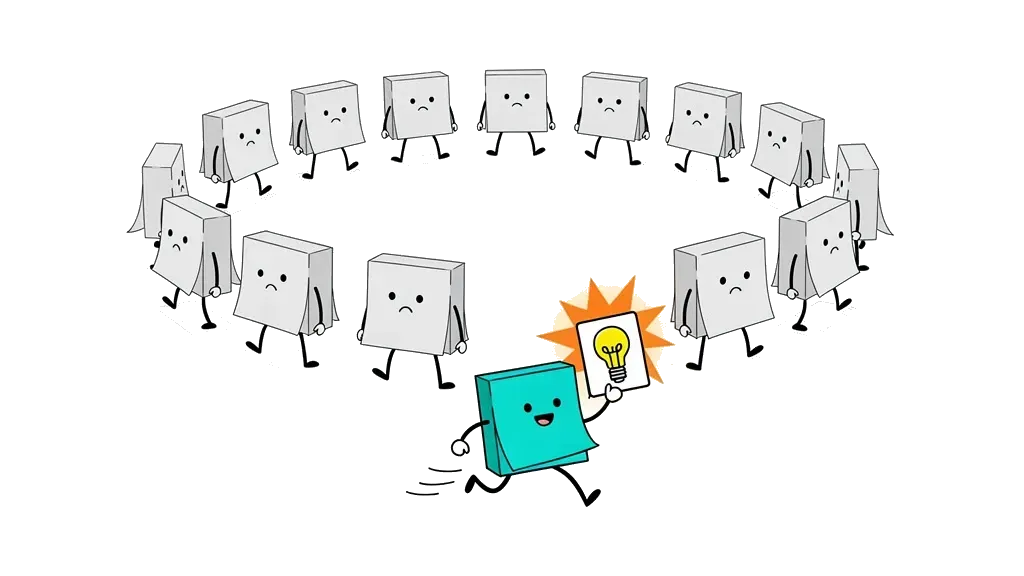
We’re halfway through the year. If your retrospective has settled into the same three columns, the same five people talking, and the same quiet nod at the end, you already know what next sprint’s retro will sound like. That predictability is the problem. When a team can guess the questions, they start giving you guessable answers, and the honest, awkward, genuinely useful stuff never makes it onto the board, let alone the action list.
So I went looking. As our team’s Scrum Master, part of my job is to keep the room alive, and over the last few months our team has worked through dozens of different retrospective formats from the retrospective template library. Most were fine. Some fell flat. But a handful genuinely broke the cycle: they changed the questions, changed who spoke up, and surfaced things our usual format never would. These are the ones we have handpicked to refresh the palette as they say.
One thing up front, because it matters: this isn’t about making your retro silly. A themed board or a playful prompt isn’t the point; it’s simply the on-ramp. The goal is to lower the stakes just enough that people feel safe saying the real thing, in a format their brain hasn’t already pre-answered. Fun is the mechanism; honest improvement is still the outcome.
Why the same retro stops working
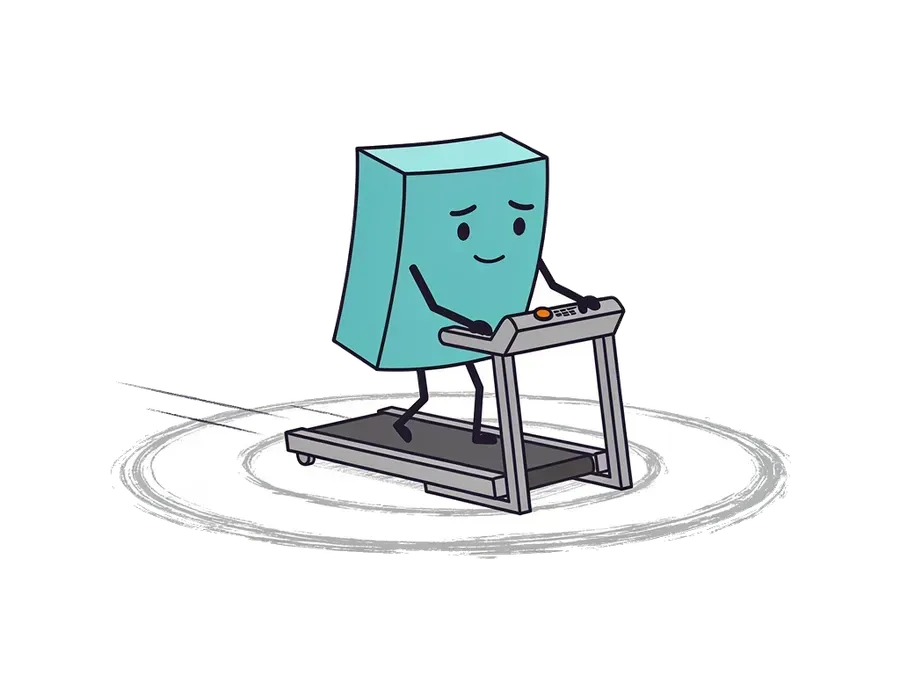
There’s nothing wrong with Start, Stop, Continue or Mad, Sad, Glad. They’re classics because they work. But any format, run on repeat, eventually trains the team to autopilot. People learn the shape of the answer the format wants and give you that, not what they actually think. This isn’t just my experience: Mike Cohn warns that the same thing happens to any retro conducted “the same way each and every time”, and Retromat creator Corinna Baldauf puts it plainly: “if you keep asking the same questions, you will keep getting the same answers.”
So here are the formats that did the unsticking for us. Each links to a ready-to-run template. Pick one for your next retro and see what surfaces. If the cycle is the format rather than the ideas, retrospective games groups 20 of them by the problem each one solves.
Break the format, not just the questions
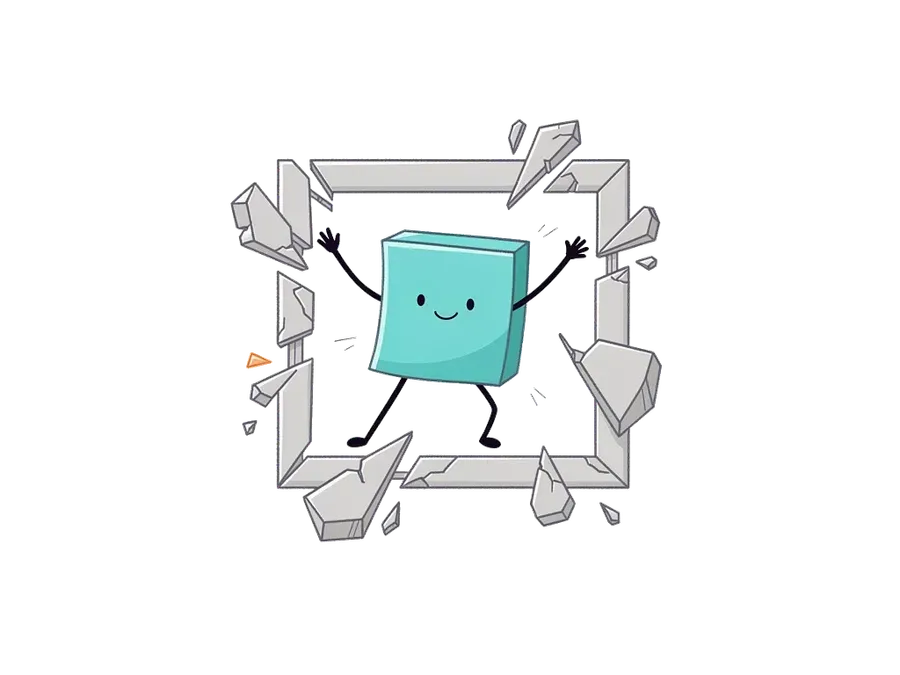
Changing the questions helps a little. Changing the format helps a lot. A new structure makes everyone approach the sprint from an angle they haven’t rehearsed, which is exactly when the interesting stuff falls out. It’s the same reason a change of scenery or a fresh metaphor unsticks a conversation: the brain can’t coast. Atlassian makes the same case: vary the technique, or retros go stale and slide into glorified status meetings. Professional Scrum Trainer Stefan Wolpers files the never-changing retro as a named anti-pattern he calls “Groundhog Day”. And Aino Corry, author of Retrospectives Antipatterns, counts running every retro the same way among her antipatterns too; at the 2026 Online Scrum Master Summit she called breaking out of it “escaping the rinse”.
1. Working, Not Working
The Working, Not Working retrospective strips everything back to two questions. No softening, no “glad”, no metaphor, just what’s working and what isn’t. We ran this after a messy sprint where people were dancing around the real issue, and the bluntness of it gave everyone permission to be direct. Best when you want honesty over nuance and you’re short on time.
2. KALM: Keep, Add, Less, More
KALM is the upgrade for teams who’ve outgrown Start/Stop. Instead of a binary “do it or don’t”, you get four dials: Keep, Add, Less, and More. That “Less / More” axis is the magic: most team problems aren’t “stop doing this entirely”, they’re “we’re doing too much of this and not enough of that”. It surfaces the dial-turning conversations that Start/Stop forces into all-or-nothing.
3. What? So What? Now What?
What? So What? Now What? is built to fix the most common retro failure: lots of discussion, no action. You walk the team through three steps (what happened, why it matters, and what we’ll do about it) so every observation is pushed toward a decision. If your retros keep generating the same complaints sprint after sprint without anything changing, this is the format that closes the loop.
4. Speed Car
The Speed Car retrospective frames the sprint as a car: engines push you forward, parachutes hold you back, and there’s a cliff ahead if you ignore the risks. It sounds light, but the metaphor does real work: people who’d never say “our process is slowing us down” will happily attach a parachute to the car. Great for surfacing friction without anyone feeling like they’re pointing fingers. Unlike the Sailboat retrospective, the key focus here is putting the team in the driver’s seat. They accelerate, turn the wheel and move in the right direction… or not.
Retros for the mid-year reset

June is a natural checkpoint. Goals set in January have either drifted or quietly died, energy is different from where it started, and nobody’s stopped to notice. These three are built for the halfway moment.
5. Mid-Year Goal Check-In
The Mid-Year Goal Check-In is the obvious one to run this month, and most teams skip it. It pulls the team back to the goals you set at the start of the year and asks the honest questions: what’s on track, what’s slipped, and what’s no longer worth chasing. Half a year of hindsight makes this conversation far more useful than it would’ve been in Q1: you’re working with real evidence, not optimism.
6. Energy Levels
The Energy Levels retrospective takes the team’s temperature instead of the sprint’s. Where’s energy high, where’s it draining away, and what’s quietly burning people out? At the mid-year mark, when fatigue tends to creep in unannounced, this one catches the human signals that a velocity chart will never show you. Run it anonymously and you’ll get the truth.
7. Appreciation Round
The Appreciation Round is the simplest reset here, and the one teams underrate the most. Everyone calls out something a teammate did that made a difference. It’s not filler: naming good work out loud refills the tank, builds the psychological safety that every other retro depends on, and reminds a tired team why the work matters. A great one to open a heavier session with.
Retros for the AI era

The way teams work has shifted fast, and the retro is a good place to make sense of it. These two are genuinely current; they didn’t exist as conversations a couple of years ago.
8. AI Agents
The AI Agents retrospective gives the team space to reflect on how AI tools and agents are actually landing in your workflow: what’s saving real time, what’s creating new kinds of rework, and where the team needs clearer guardrails. If “should we be using this more, or less?” keeps coming up in side conversations, put it on the board.
9. AI Evolution
The AI Evolution retrospective takes the longer view: how the team’s relationship with AI has changed over time, and where it’s heading. It’s a good periodic check-in for teams who’ve moved past experimenting and want to be deliberate about how these tools fit their process.
Themed formats that lower the stakes

This is where the “fun” lives, and where I’ll repeat the caveat. A theme isn’t the point; it’s a way to get a guarded team talking. Wrap a familiar reflection in an unfamiliar story and people drop their meeting-face. Pick a theme your team will actually enjoy, keep the questions real, and these earn their place.
10. Studio Ghibli Journey
The Studio Ghibli Journey retrospective frames the sprint as a gentle adventure: the companions who helped, the obstacles along the way, the small moments of wonder. The calm, reflective tone is the opposite of a blame session, which makes it surprisingly good for teams that need to talk about a hard stretch without it turning tense.
11. KPop Demon Hunters
The KPop Demon Hunters retrospective leans into a bit of pop-culture energy: the demons (problems) the team faced, the powers that helped you win, and the encore you’re planning next. It’s high-energy and a little ridiculous in the best way, ideal for a team that’s been heads-down and needs the room to lift before it can reflect.
12. Among Us (Agile Edition)
The Among Us retrospective reframes the sprint around tasks completed, “impostors” (the hidden blockers that sabotaged your flow), and emergency meetings (the moments you had to regroup). The game framing makes naming blockers feel collaborative rather than accusatory: you’re hunting the impostor together, not blaming a person.
And that’s just the start. Between themed boards, structured formats, and seasonal one-offs, there are 275+ ready-to-run options in the retrospective template library, so you can keep rotating long after these twelve.
How to introduce a new format without losing the room
A new format only works if the team’s with you. A few things I’ve learned the hard way:
- Say why. Open with one line: “We’re trying a different format today to shake loose some new thinking.” People go along with novelty far more easily when they know it’s intentional, not a gimmick.
- Match the format to the moment. A bruising sprint wants Energy Levels or an Appreciation Round, not a comedy theme. A coasting team can handle something playful. Read the room first.
- Keep the questions real. The theme is the wrapper; the reflection underneath should be as serious as ever. If a prompt is only fun and surfaces nothing useful, cut it.
- Use anonymity for the honest stuff. A fresh format lowers the social barrier; anonymous input lowers it further. For anything touching workload, trust, or morale, let people contribute without attribution so you get the real picture.
- Don’t change every single time. Novelty works because it’s a break from the norm. Rotate formats every few sprints, not every sprint, or the “new” one becomes the new autopilot.
Keeping it fresh and serious
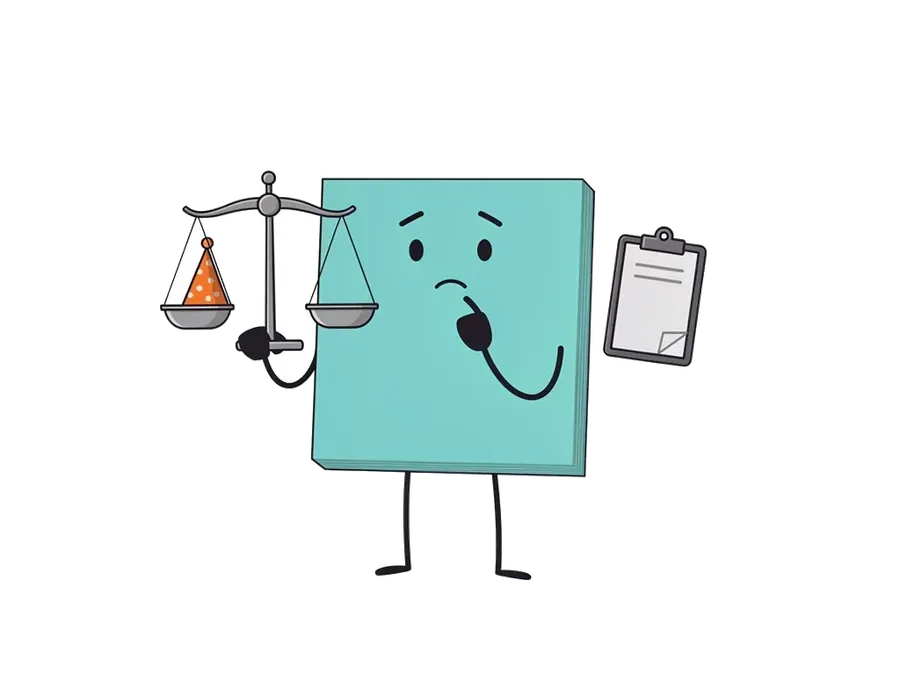
Here’s the thing I want to leave you with. Bringing energy to a retro and taking the retro seriously are not opposites; they’re the same job. A team that’s relaxed, curious, and a little bit entertained will tell you things a tense, bored team never will. The format’s job is to create that safety; your job as facilitator is to turn what surfaces into real, owned action.
So this mid-year, break the cycle. Pick one format off this list that your team would never expect, run it at your next retro, and watch what comes out when people aren’t on autopilot. Then do the serious part: capture the actions, assign the owners, and follow through. That’s the whole game: a fresh way in, a serious way forward.
Frequently asked questions
How often should you change your retrospective format? Every few sprints, not every sprint. Variety works because it breaks the routine; change too often and the variety itself becomes the new autopilot.
Do fun retrospective formats actually improve outcomes? Yes, when the questions underneath stay serious. The playful wrapper lowers the social barrier so people share honestly; the reflection and the action items are still the point.
What’s a good retrospective to run at the mid-year point? A Mid-Year Goal Check-In, ideally paired with an Energy Levels retro to catch fatigue before it spreads.
How do you introduce a new format without resistance? Say why you’re changing it, match the format to the team’s mood, keep the questions genuine, and use anonymous input for the sensitive stuff.
Break your team’s retro cycle this month
You don’t need a hundred new ideas; you need one that your team won’t see coming. Browse the retrospective template library, pick a format that fits where your team is right now, and run it at your next retro. Fresh way in, serious way forward.
Related posts
- September 23, 2026CLAUDE.md for teams: how we turned five people's AI memories into shared rules
- July 18, 2026The best team health check tools in 2026
- July 18, 2026Our AI teammates joined our retro
- July 16, 2026AI in Agile Project Management: What Teams Need to Know
- July 13, 2026Context engineering needs a feedback loop
- July 13, 2026How to gather feedback from your AI agents
- June 25, 2026Online whiteboards for retrospectives: templates and techniques that work
- June 19, 2026The best collaboration tools for remote teams in 2026 (and the layer most stacks miss)