The daily standup (daily scrum): the ceremony explained
The daily scrum is a 15-minute check-in where developers re-plan the next day against the sprint goal. A coordination meeting the team runs for itself, not a status report.
The daily standup, called the daily scrum in the Scrum Guide, is a 15-minute, same-time, same-place check-in where the developers re-plan the next 24 hours against the sprint goal. It’s a coordination meeting the team runs for itself, not a status report to a manager. Get that one distinction right and most standup problems solve themselves.
This is the ceremony-level summary. For the three questions and the smarter alternatives, a real agenda, facilitation rules, async and remote formats, and the tools, see the complete guide to daily standups.
Daily scrum or daily standup?
Same event, two names. “Daily scrum” is the current Scrum Guide term; “standup” comes from the practice of holding it standing so nobody gets comfortable and it stays short. Use whichever your team already says. The label is not the thing that makes it work. If the distinction between the two names ever comes up in earnest, we untangle it here.
What the fifteen minutes are for
Three jobs, and only three: inspect progress toward the sprint goal, surface anything blocking that progress, and adapt the plan for the day. That’s it. The daily scrum is a chance for the people doing the work to synchronize: who’s stuck, who can help, what changed since yesterday.
What it is not is a lap of individual status updates delivered to the most senior person in the room. That version is agile theatre. It looks identical from the outside and is worthless: people perform being busy, blockers get buried in detail, and the fifteen minutes buys nothing. The most common standup anti-patterns all trace back to this one confusion about who the meeting is for.
Two ways to run it
Most teams start with the classic three questions: what did you do yesterday, what will you do today, what’s in your way. They’re a fine training wheel and a lousy habit: they organize the meeting around people reciting activity rather than work moving toward the goal.
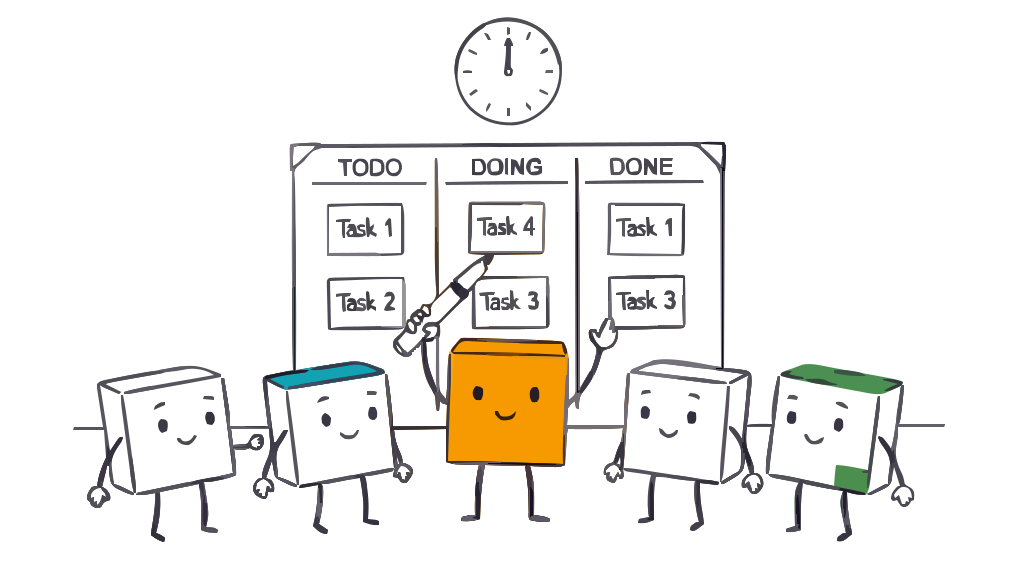
The alternative is to walk the board: start at the work closest to done and move right to left, talking about items rather than individuals. It keeps the conversation on flow, surfaces the stuck cards faster, and quietly kills the status-recital habit. Either way, anything that needs real discussion goes to a parking lot after the meeting, with only the people it involves.
Where it fits, and the product
The daily scrum is the heartbeat between the bookend ceremonies. Sprint planning sets the goal it checks against, and the sprint review inspects the result. Running standups across time zones is its own problem; TeamRetro’s standups, with reminders and summaries in Slack and Microsoft Teams, exist for exactly the async case the async and remote chapter covers.
Frequently asked questions
How long should a daily standup be?
Fifteen minutes, timeboxed, and it stays fifteen minutes regardless of how long the sprint is. If it regularly runs longer, the team is problem-solving in the meeting instead of taking the detail offline. Take the deep conversation to a parking lot with only the people it involves.
Who attends the daily scrum?
The developers own it. It’s their meeting to re-plan their day. The product owner and scrum master attend only if they’re actively working on sprint backlog items; otherwise they can listen but shouldn’t turn it into a status round. The moment managers start collecting updates, it stops being a daily scrum.
Is the daily scrum the same as a daily standup?
Yes. “Daily scrum” is the term the Scrum Guide uses; “standup” is the older habit of holding the meeting standing so it stays short. They’re the same event, and most teams use the words interchangeably.