Agile team health checks and radars
TeamRetro is the team health check tool that turns how your team really feels into visual results: run agile health checks and team radars, spot the gaps, and act on them.
Build high-performing teams
TeamRetro is team health check software that shows how your team rates their performance and satisfaction across the dimensions that matter. Create your own health models or start from a template, then turn the results into a continuous improvement habit. New to running one? Our team health check guide covers choosing dimensions, the questions to ask, and how to facilitate the session.
Custom Health checks
Create your own health models or use a template.
Visualize team health
Evaluate health dimensions over time.
Find the gaps
Address issues early and improve productivity.
Create actions for change
Propose and track actions that create happier teams.
Team health check methods and formats
Out of the box, TeamRetro has industry-based health checks to choose from, including the Spotify squad health check model ready to run. Customize an existing model or use our AI-generated suggestions to create the ideal fit for your team. Browse health check templates to find a starting point that fits your team.
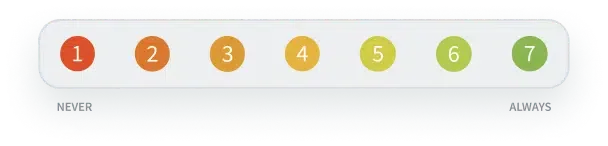
Numeric
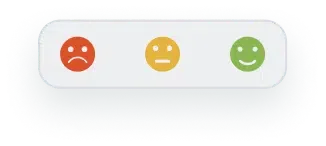
Happiness Scale
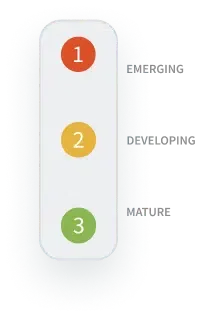
Matrix Model
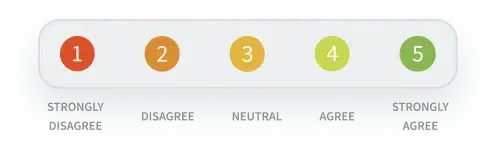
Likert Scale
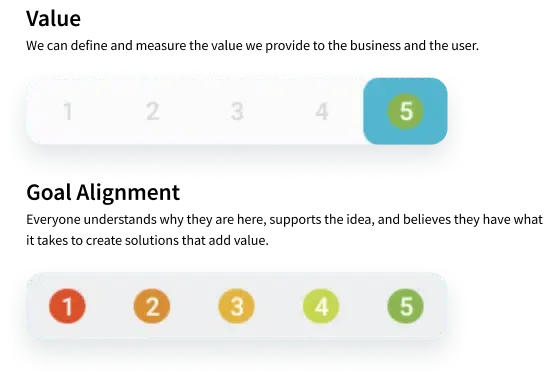
Run better team health checks
Survey the team and capture comments with ease, free from bias. Run open surveys or facilitate in-person meetings. Device friendly and no downloads required.
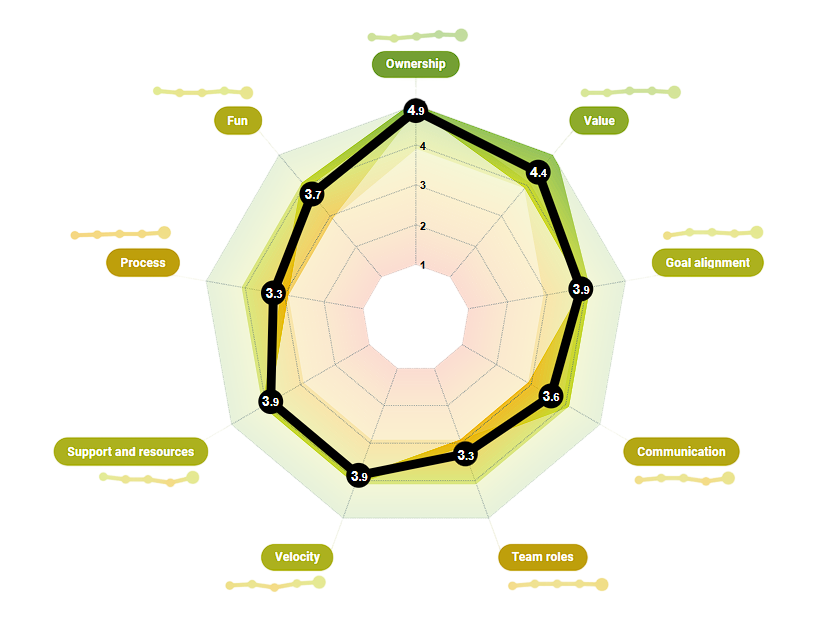
Data-driven discussions
Real-time results plot every dimension on a team radar, so you see the overall picture and how it moves over time at a glance. Prioritize discussions by focusing on what is most important to you. Dive into individual results or statistics like standard deviation, range and mean.
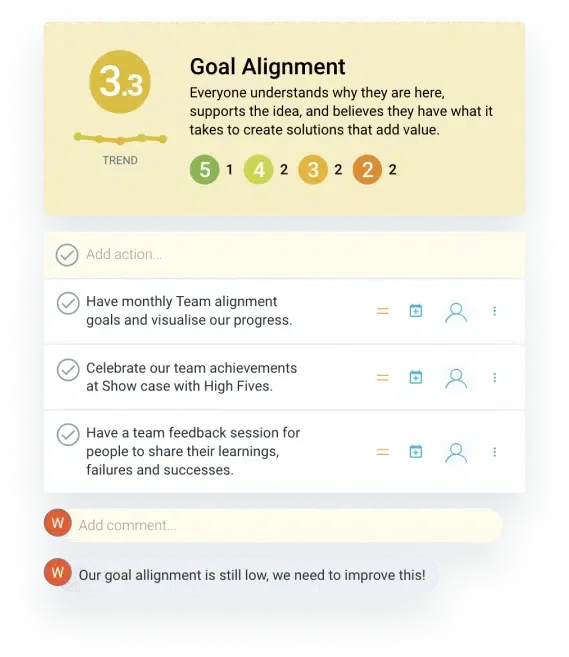
Present, discuss and create actions
Use presentation mode to sync screens and facilitate discussions. Propose and create actions that drive change.
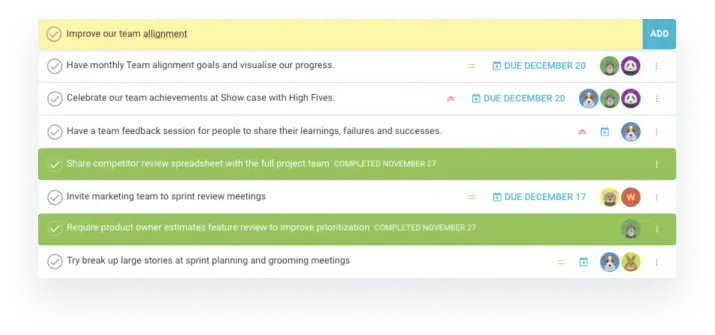
Review your action plan
Assign due dates and owners and check things off. Actions are tracked from meeting to meeting with gentle reminders when things are due.
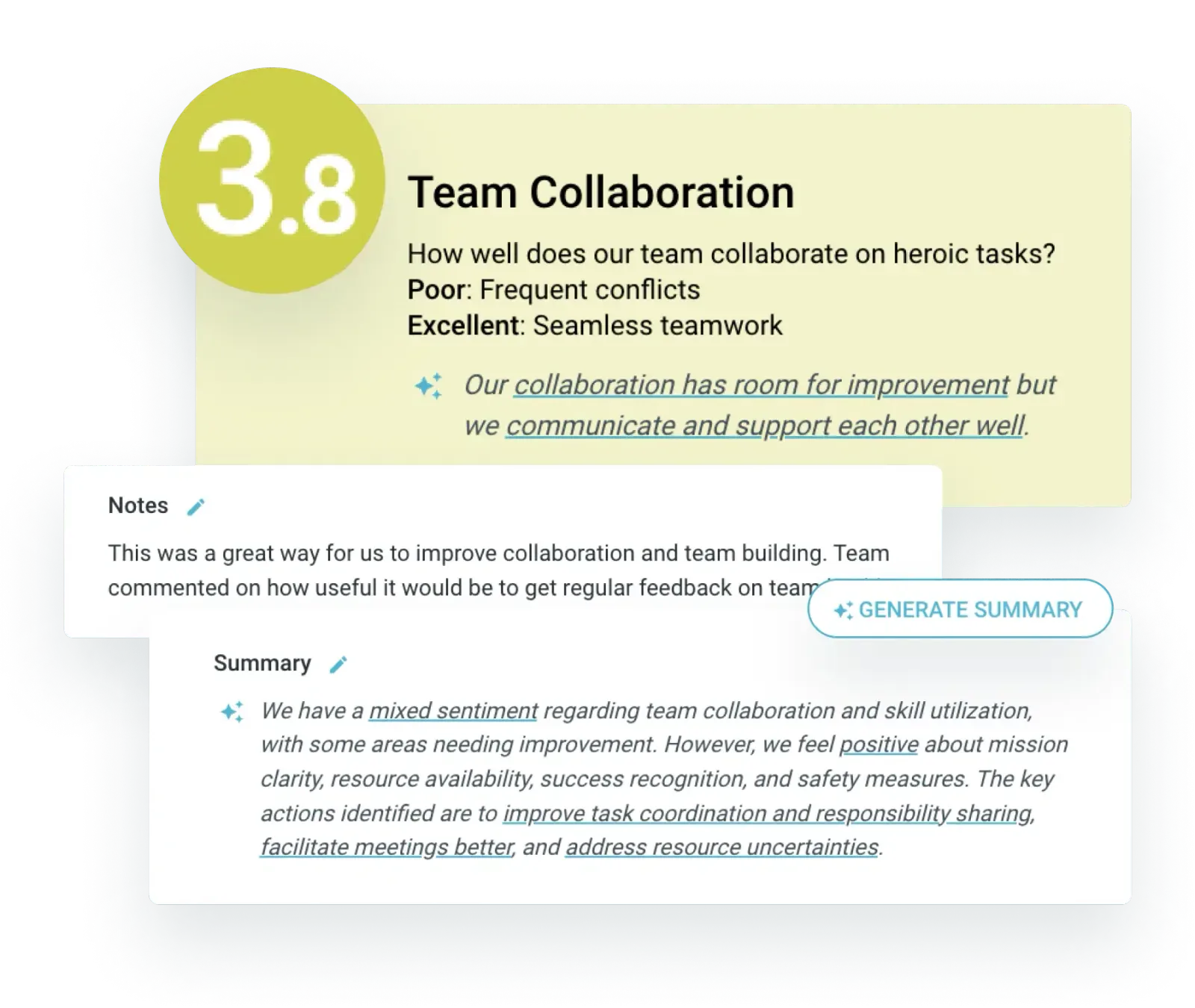
Create summaries in seconds
Generate summaries of comments for each health dimension and the overall health check, ready to share.
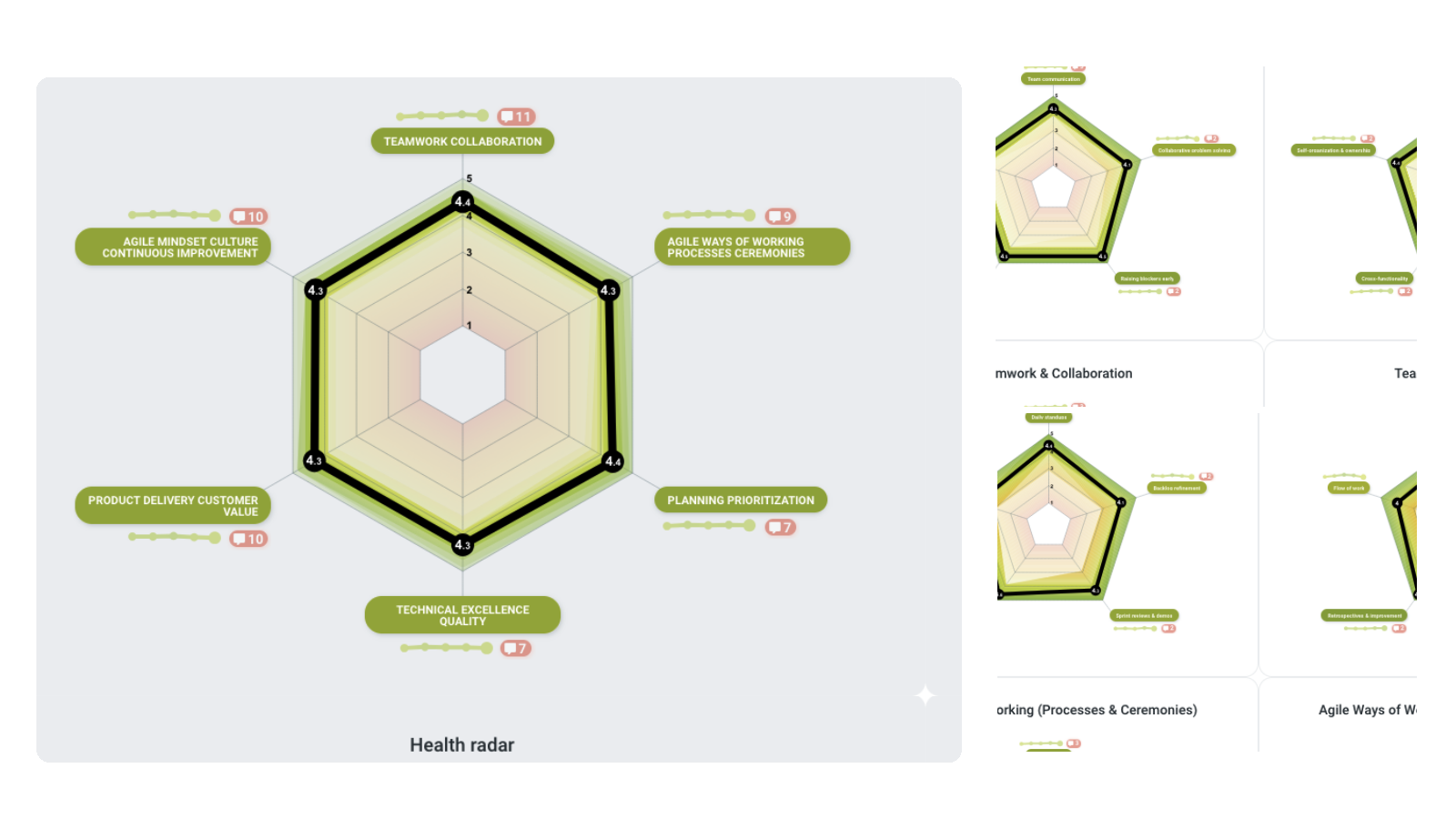
Go further with maturity models
Organize health dimensions into categories to reveal deeper insights across your agile journey.
Learn more about maturity models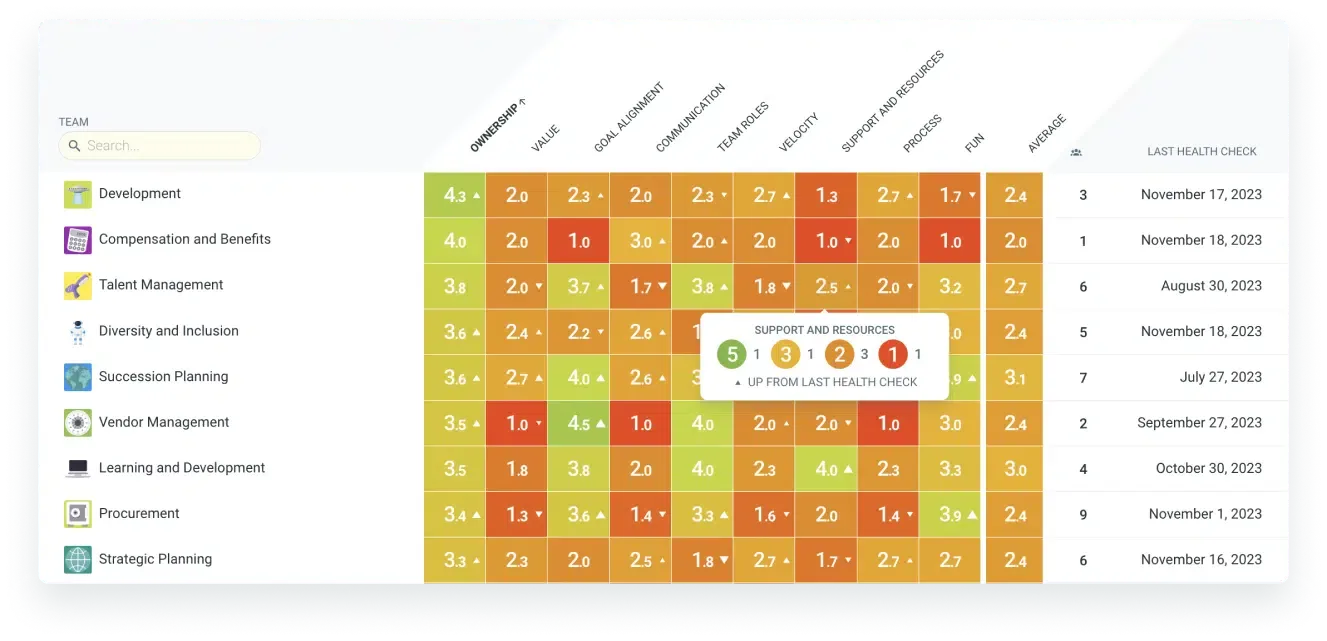
Enterprise insights
Managing multiple teams? Get cross-team reporting across your portfolio with our enterprise plan, and a sense of what teams are talking about.
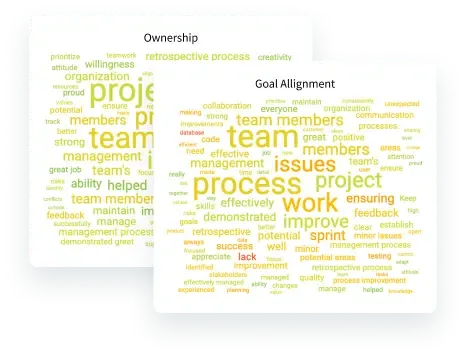
Word clouds
Get a sense of what the teams are talking about.
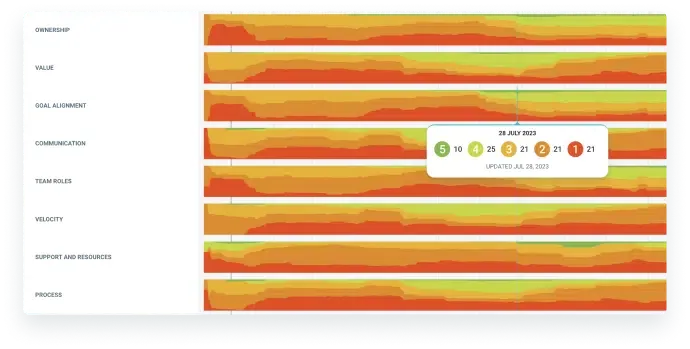
Timelines
See how individual health dimensions move over time.
Integrates with your existing workflows
Push action items with owners and due dates, agreements, meeting summaries, and health-check results straight into the tools your team already runs on: task trackers, chat, docs, and exports. Connect over our API, webhooks, or MCP so AI agents can pick up where the meeting left off.



















You’re in good company


























TeamRetro’s Team Health Check feature allowed us to run quick surveys, providing a pulse on how our teams felt about aspects like communication and workload.

TeamRetro is a product where every detail is considered – simple usage, and good design. different flows for different needs, highly customizable, real-time features. It allows you to enter a retrospective or health check meeting comfortably and be ready for the meeting as a team leader.

It is intuitive, easy to use, and helps the team tremendously to perform a constructive retrospective. Also, the health check fully meets our requirements.

I’m a big fan of retrospectives and other structured brainstorming meeting formats to unlock the potential in our organization, and I found TeamRetro to be the best solution on the market.

I love TeamRetro because it allows my team and me to focus on our topics without worrying about security or the tools we use, thanks to its amazing UI/UX. I started using it for retrospectives and health checks at my previous company, and now I also use it for planning poker.

We save a lot of time as agile coaches! In parallel, our Agile Catalysts inside our teams now have a central tool with all improvements and action items they can easily manage. It has been adopted very quickly!

In software development and consultancy, human factors can be the difference between ‘okay’ and ‘awesome.’ That’s why we hold weekly check-ins, and TeamRetro lets team members share their thoughts before meetings.

Related blog articles
 Agile PracticesThe best team health check tools in 2026
Dedicated health-check tools, the Spotify framework and HR-survey platforms compared, with a best-for pick for each.
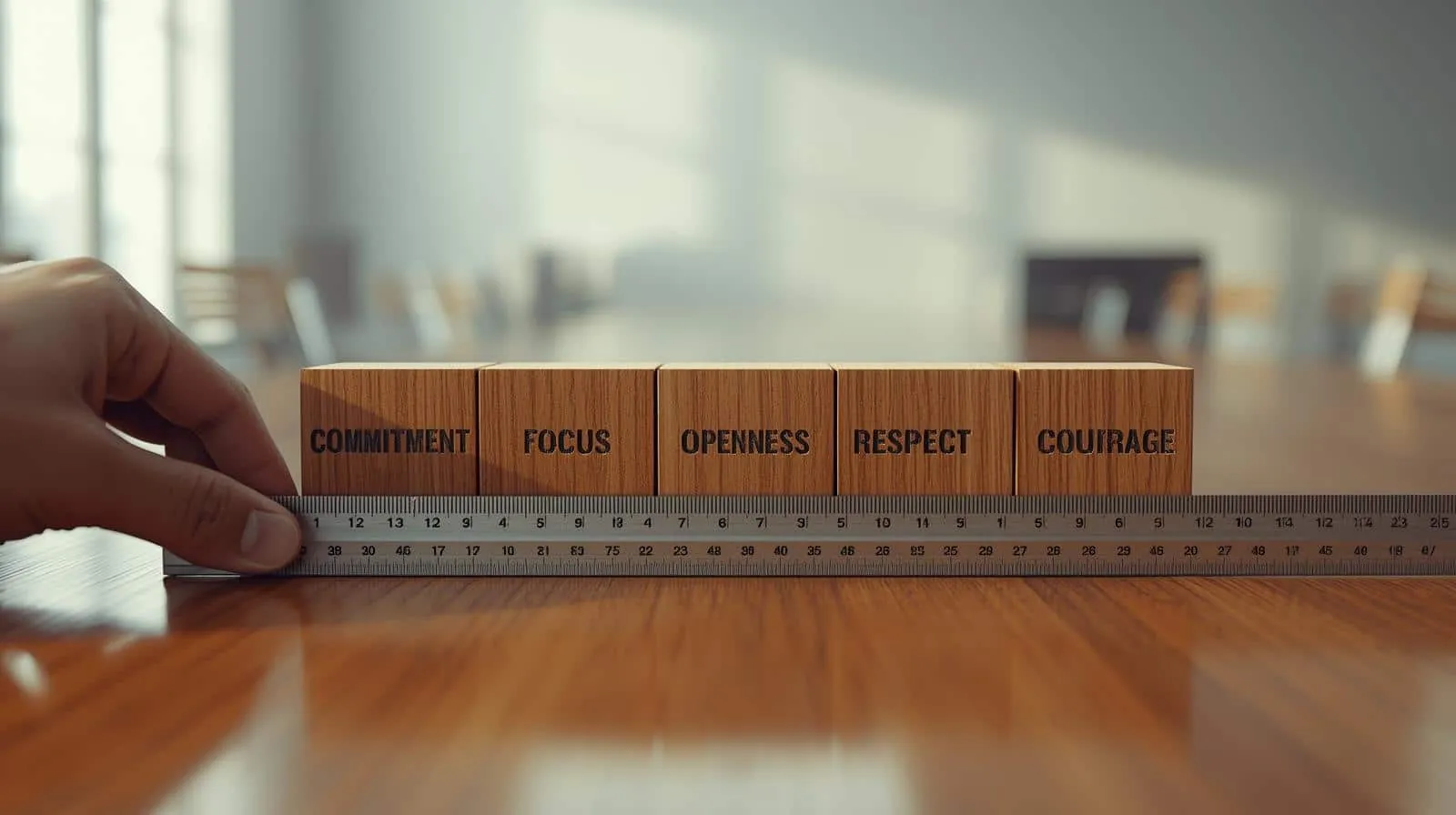 Agile PracticesWhich of the Scrum Values is most demonstrated by your team?
Discover which Scrum value shines in your team. Use TeamRetro’s Health Check to build stronger habits and team alignment.
 Agile PracticesTips on running effective retrospectives for team feedback
Learn how to run a retrospective that sparks honest team feedback, uncovers blockers, and drives continuous improvement with proven tips.